
What Defines Museum Quality in Contemporary Painting?
The expression museum quality is widely used in the art world, but rarely defined with precision. A museum-quality painting is not simply a work that is beautiful, expensive, large, or technically impressive. It is a painting capable of sustaining meaning over time — through artistic strength, intellectual depth, historical relevance, material permanence, and cultural significance.
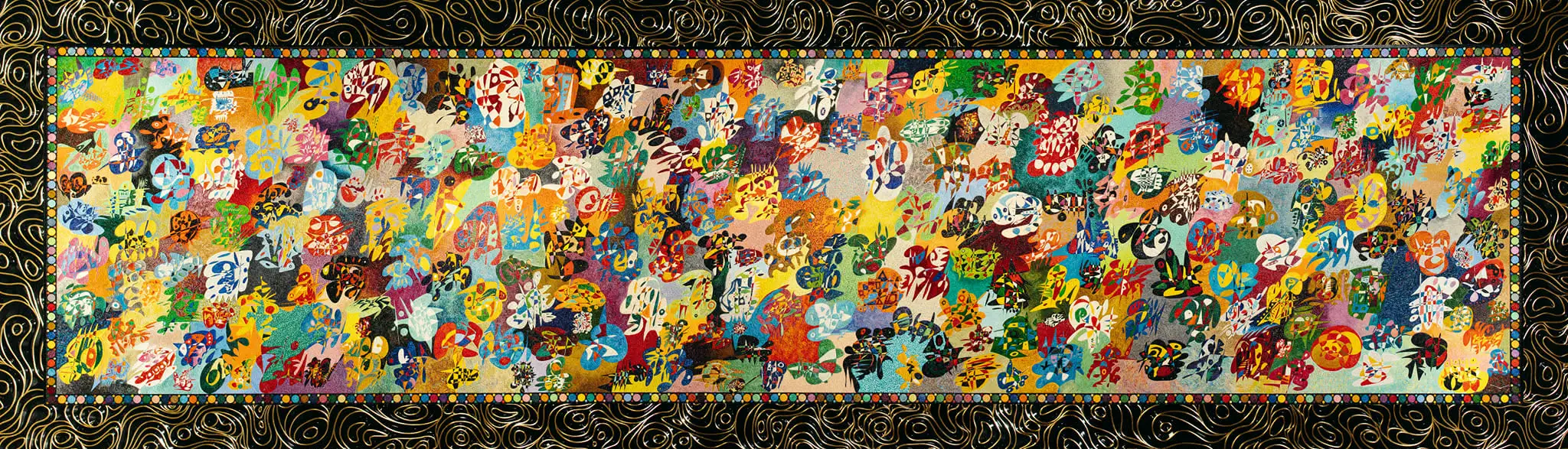
What Defines a Museum-Quality Painting?
Museums do not collect paintings simply because they are attractive, fashionable, or commercially valuable. Their collections are built around works that preserve cultural memory, expand artistic understanding, and remain meaningful beyond the moment in which they were created.
In the art market, the phrase museum quality is often used as a mark of prestige. Yet from a museum perspective, quality is not only about appearance. It is about whether a painting can continue to generate interpretation, research, public interest, and historical relevance over time.
A museum-quality painting becomes more than an object of admiration. It becomes a work worth preserving.
Museum Quality Is Not Market Quality
One of the most common misunderstandings in art is the belief that an expensive painting is automatically museum-quality. Market value and museum value are related, but they are not the same.
The market measures demand, scarcity, reputation, and financial confidence. Museums look for something deeper: cultural importance, artistic originality, historical position, and long-term relevance.
- Market quality concerns price, demand, and desirability.
- Technical quality concerns skill, materials, and execution.
- Decorative quality concerns beauty, atmosphere, and visual appeal.
- Museum quality concerns cultural significance, research value, and lasting meaning.
These qualities can overlap, but none of them alone defines museum quality.
Beyond Craftsmanship
Craftsmanship matters, but skill alone is not enough. Art history is full of technically accomplished paintings that no longer occupy a serious place in cultural memory. Technique becomes important when it serves meaning.
In a museum-quality painting, composition, colour, scale, symbolism, material, and surface are not simply decorative choices. They work together to create an experience that can be studied, interpreted, and returned to over time.
A strong painting may impress at first sight. A museum-quality painting continues to reveal itself after repeated viewing.
The Six Qualities of Museum-Quality Painting
No single feature makes a painting museum-quality. Its significance usually emerges through several qualities working together.
- Intellectual Contribution: The work adds something meaningful to artistic or cultural thought.
- Conceptual Depth: The painting contains ideas that can sustain interpretation beyond first impression.
- Historical Relevance: The work connects with art history, cultural memory, or the questions of its time.
- Artistic Development: The painting belongs to a coherent and evolving artistic language.
- Technical Permanence: The materials and execution allow the work to be preserved for future generations.
- Institutional Relevance: The painting can support exhibitions, research, education, and public interpretation.
How Museums Evaluate Paintings
Museums rarely acquire paintings through personal taste alone. A potential acquisition is usually considered by curators, conservators, researchers, collection managers, and acquisition committees.
The question is not simply, “Is this a good painting?” The deeper question is: “Why should this painting matter in fifty or one hundred years?”
Museums examine provenance, conservation condition, exhibition history, scholarly relevance, the artist’s wider practice, and the relationship between the painting and the museum’s existing collection.
What Curators Look For
Curators look for works that strengthen a collection intellectually. A painting may be visually powerful, but museums also ask whether it contributes to a larger story.
- Does the work expand the history of painting?
- Does it introduce a distinctive visual language?
- Can it support future exhibitions and research?
- Does it reveal something important about culture, identity, history, or perception?
- Does it remain meaningful after the initial visual impact has faded?
Provenance and Authenticity
Provenance is the documented history of a painting: who owned it, where it was exhibited, how it was recorded, and how it entered public or private collections. For museums, provenance is essential because every artwork becomes part of the historical record.
Strong provenance supports authenticity, legal clarity, and scholarly understanding. It gives the painting a biography beyond its surface.
Conservation and Material Integrity
Museums preserve works for future generations. This makes material quality central to museum evaluation. Conservators study pigments, supports, varnishes, surfaces, and structural stability to understand whether a painting can endure.
A painting may be conceptually powerful, but if it cannot be preserved responsibly, its institutional future becomes more complicated.
Why Some Paintings Become Cultural Landmarks
Every generation produces extraordinary painters, yet only a small number of works become permanent fixtures within museum collections. Their significance rarely depends on a single quality. Instead, they endure because they continue to reveal new meanings long after the world that produced them has changed.
Museum masterpieces are not preserved simply because they are old or famous. They become famous because they continue to shape conversations about art, history, memory, identity, and human experience.
The strongest paintings do not merely reflect the language of their time. They transform it.
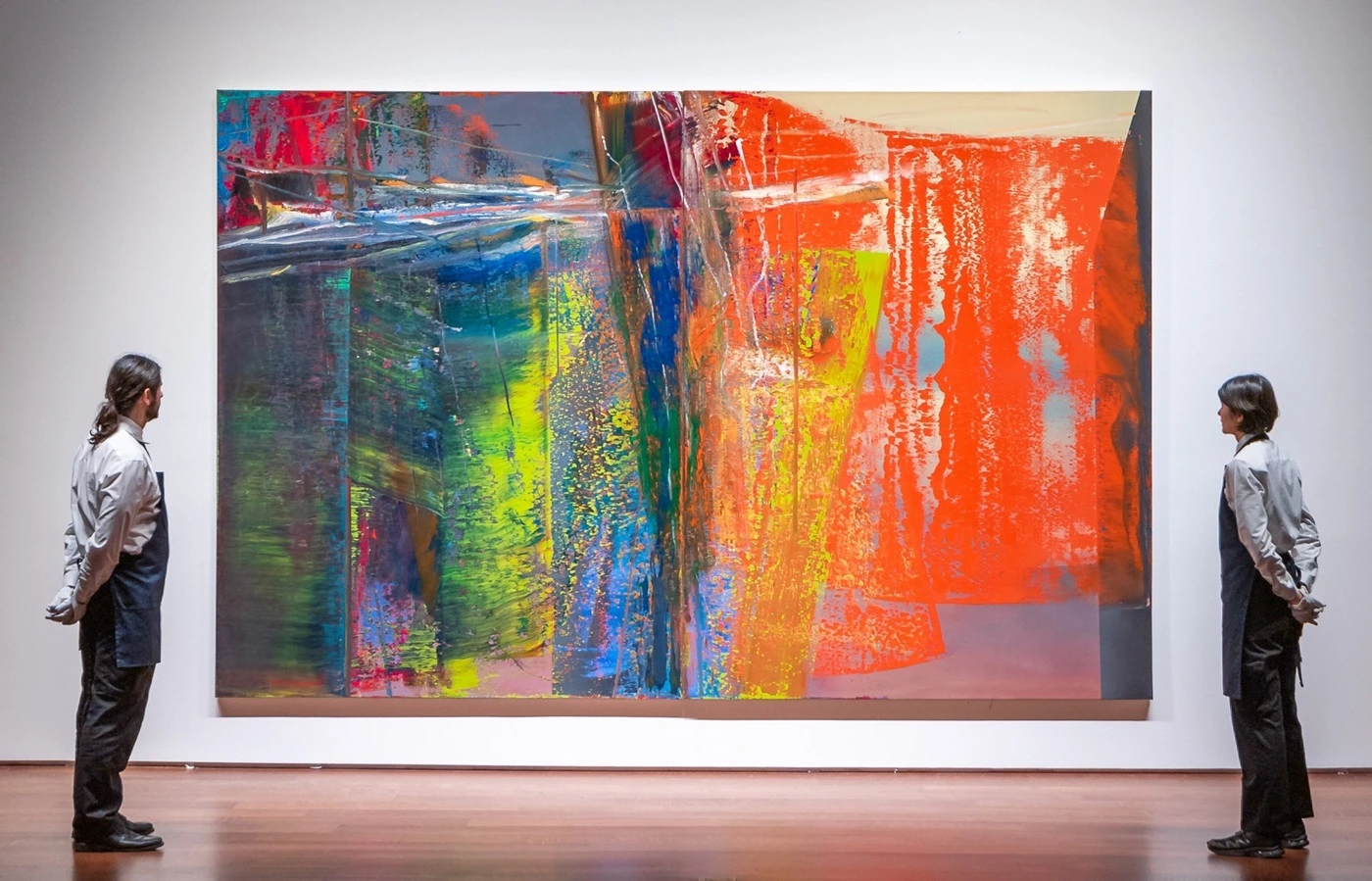
Gerhard Richter: Challenging the Nature of Painting
Few contemporary artists have influenced the understanding of painting as profoundly as Gerhard Richter. Throughout his career, Richter has refused to accept a single visual language, moving effortlessly between photorealism, abstraction and conceptual investigation. Rather than viewing style as an identity, he has treated painting itself as a subject of inquiry.
His work questions how images shape memory, perception and truth. By blurring the boundaries between photography and painting, certainty and ambiguity, Richter transformed technical mastery into philosophical exploration. Museums collect his paintings not because they belong to a recognisable style, but because they fundamentally expanded contemporary painting's intellectual possibilities.
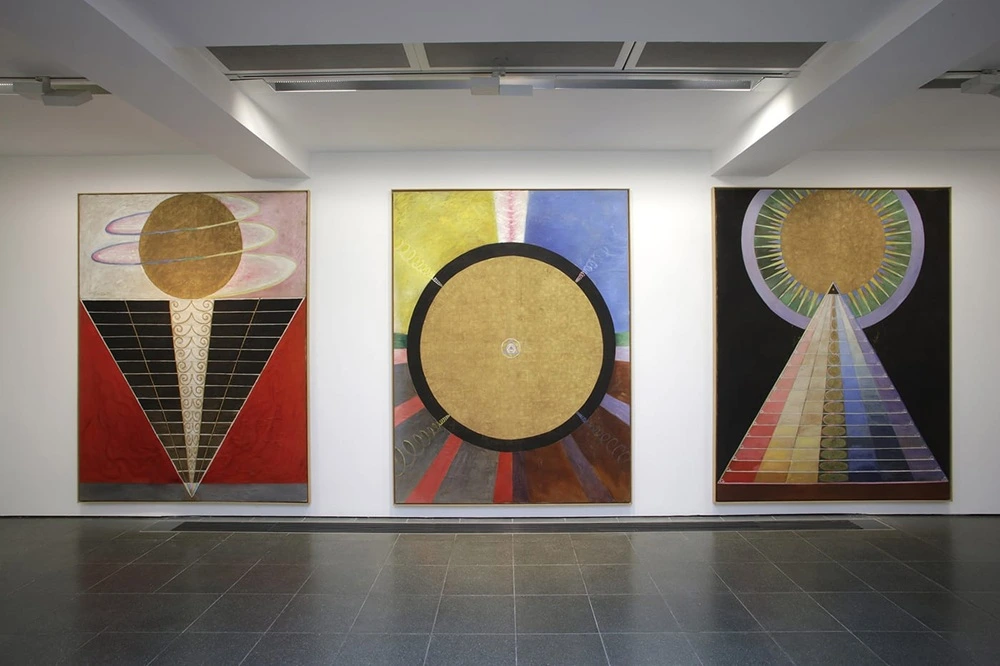
Hilma af Klint: Rewriting the History of Abstraction
Hilma af Klint demonstrates that museum quality is not determined immediately. Working decades before abstract painting became widely recognised, she created an extraordinary body of work inspired by spirituality, geometry and symbolic systems. Yet much of her work remained unseen during her lifetime.
Today, museums recognise Hilma af Klint as one of the most significant figures in the history of abstraction. Her rediscovery reminds us that museum collections evolve alongside scholarship. As new research emerges, artists once overlooked can reshape the narrative of art history itself.
Why These Artists Matter
Although their artistic languages differ dramatically, Gerhard Richter, Hilma af Klint, Mark Rothko and Anselm Kiefer share qualities that museums consistently recognise. Their work introduced new ways of thinking about painting, expanded artistic discourse and continues to generate exhibitions, scholarship and public engagement decades after its creation.
Museum-quality painting is therefore not defined by style or subject matter. It is defined by the ability to remain intellectually, historically and culturally relevant across generations.
Contemporary Museum Quality
Contemporary painting presents a special challenge. Its long-term historical importance cannot yet be fully known. Museums therefore look closely at the strength of the artist’s ideas, the consistency of their visual language, and the cultural relevance of the work.
A contemporary painting becomes museum-quality when it does more than reflect the present. It must also contain the possibility of future meaning.
The strongest contemporary paintings are not only works of their time. They are works that future generations can continue to question.
The El Arte Monumental Perspective
At El Arte Monumental, museum-quality painting is understood through artistic development as well as individual achievement. A painting gains deeper significance when it belongs to a coherent artistic trajectory — when it reveals the growth of ideas, symbols, visual language, and cultural vision over time.
This perspective connects to El Arte Monumental’s wider research into Conceptual DNA, Genesis Work, Development Nodes, Mature Artistic Language, and the Artist Cartogramme. These concepts help explain how an artist’s work evolves from isolated creation into a larger intellectual and visual system.
From this view, museum quality is not only found in the finished painting. It is also found in the depth of the artistic journey behind it.
A museum-quality painting is not defined by price, fashion, scale, or technical display alone. It is defined by its ability to remain meaningful.
The strongest works combine artistic skill with intellectual substance, historical awareness, material integrity, and cultural resonance. They do not exhaust themselves at first glance. They continue to speak, question, and reveal.
Ultimately, museum-quality painting is not simply art that deserves attention. It is art that deserves preservation.