
Interviews : El Arte Monumental
Read research interviews by El Arte Monumental featuring artists, curators, and scholars discussing artistic research, contemporary painting, philosophy, aesthetics, and visual culture.
The sequence of interviews reflects the chronological development of the Foundation's research programme. Although displayed from newest to oldest, readers seeking a coherent understanding of its evolution are encouraged to begin with the earliest interview at the bottom of the page and proceed upward.
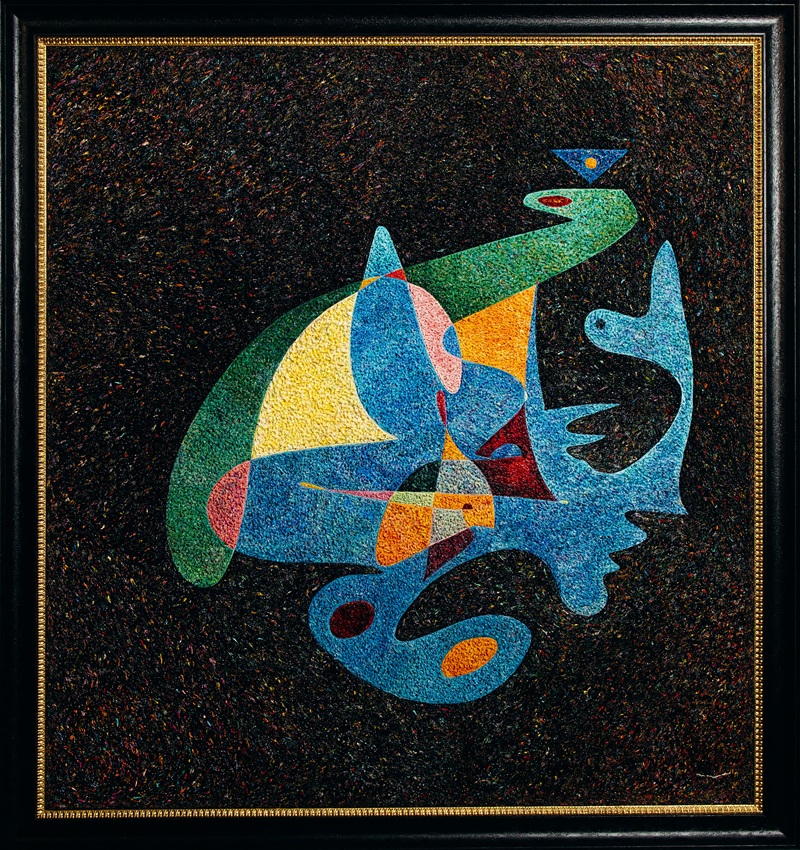
A Conversation on Jibril
04 Jun 2025In this conversation, Gheorghe Virtosu reflects on the conception and creation of Jibril, discussing the technical discipline behind its execution, the artistic decisions that shaped its final form, and his approach to imagination, process, and interpretation. Rather than presenting Jibril as an illustration of religious tradition, he describes it as an independent artistic exploration that exists beyond a specific narrative or historical setting. The interview also examines the painting's extraordinary microscopic construction, the role of time and patience in its creation, and the relationship between artistic intuition and scholarly interpretation. Throughout the discussion, Virtosu emphasizes that his responsibility is not to provide definitive answers, but to create a work that invites sustained observation and personal reflection.
Read More →Available for Representation
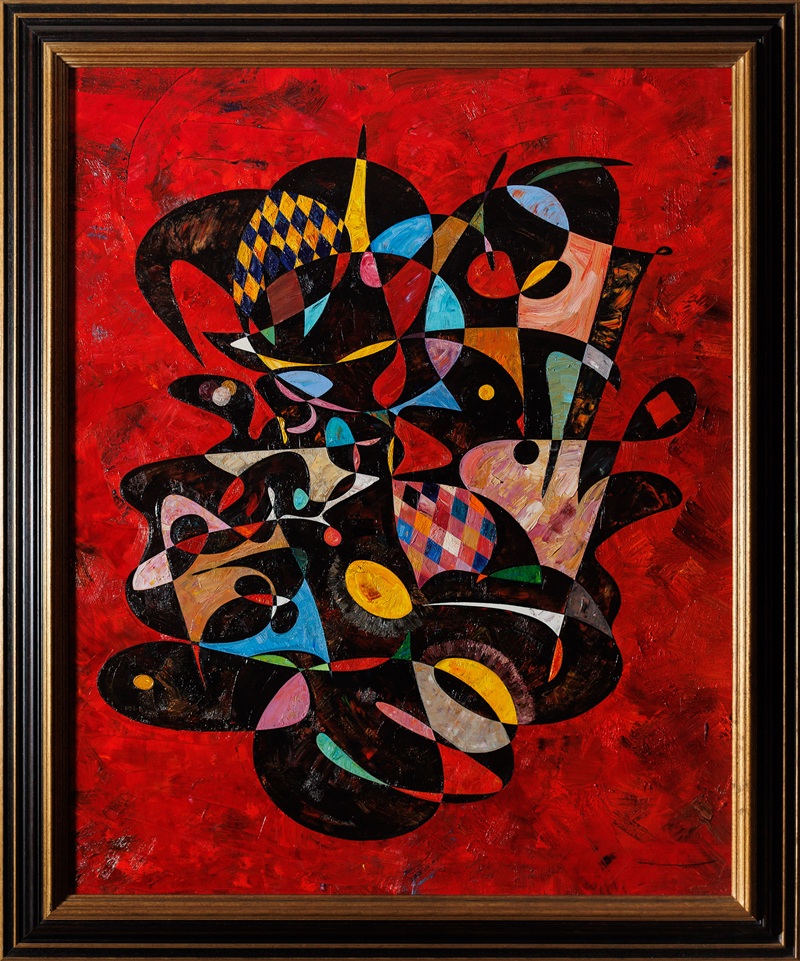
Twin Clowns: When One Painting Became Two
25 Jul 2017In this interview, Gheorghe Virtosu discusses the evolution of Twin Clowns from a single painting into two independent works: Twin Clowns: Florence and Twin Clowns: Venice. He explains that the original painting came to embody two distinct historical identities that could no longer coexist within a single image, leading him to rename the original work and create a second painting with the same composition but a different chromatic language. Virtosu reflects on Florence and Venice as symbols of civilizations whose extraordinary cultural achievements outlived their political independence, interpreting the title Twin Clowns as a metaphor for the loss of historical time rather than comedy. The conversation explores how colour shapes historical meaning, why identical structures can convey different identities, and how the project became a philosophical investigation into civilization, memory, and the fragile relationship between cultural greatness and historical permanence.
Read More →Available for Representation
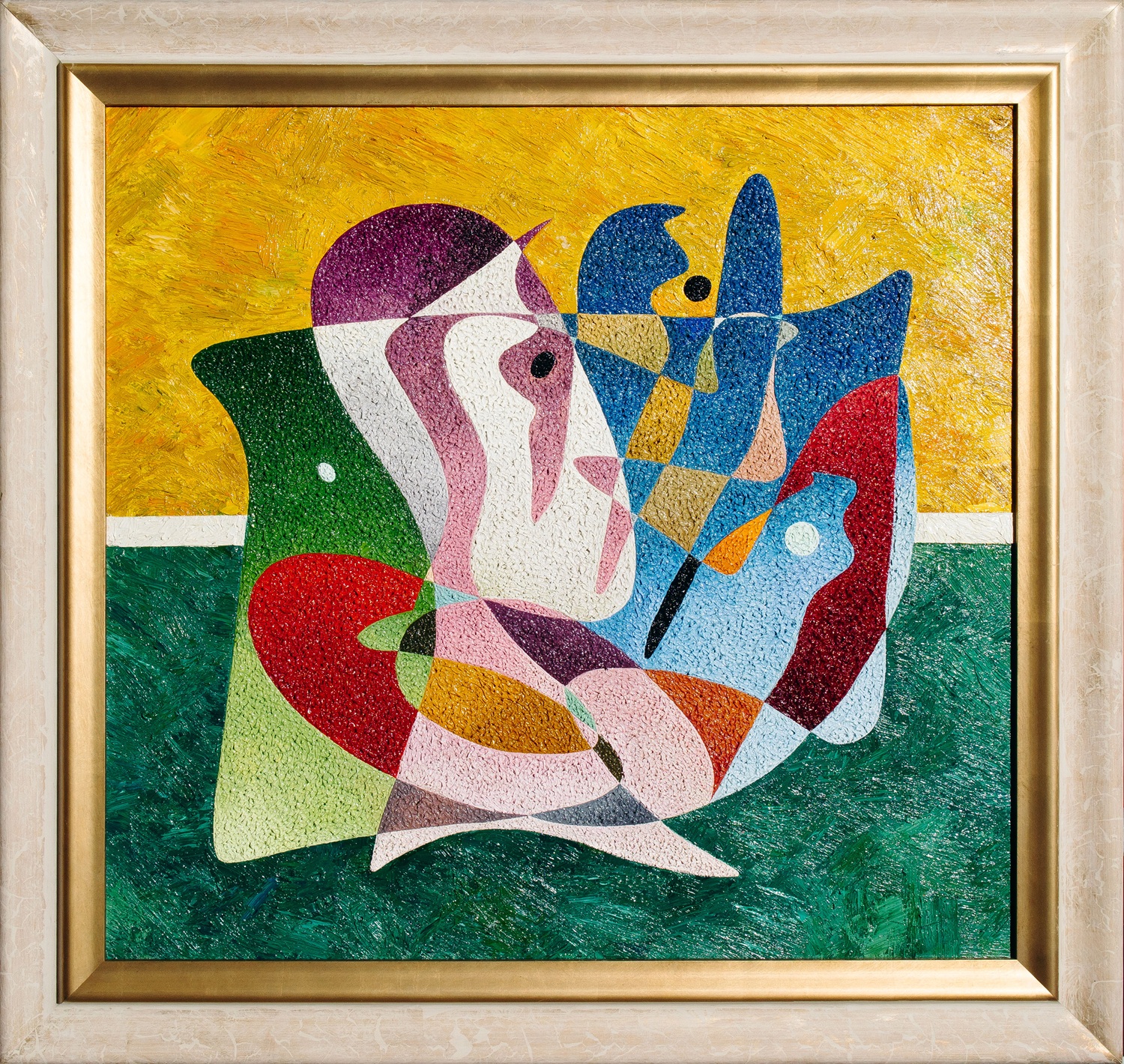
Courage and Memory: Gheorghe Virtosu on Kenau
22 Jun 2017In this interview, Gheorghe Virtosu discusses Kenau as part of his World Famous Personalities series, exploring courage not as heroic spectacle but as a quality preserved through historical memory. Rather than reconstructing the life of Kenau Simonsdochter Hasselaer, Virtosu examines how remarkable individuals gradually become enduring cultural symbols whose significance extends beyond documented history. The conversation reflects on the relationship between history, collective memory, and myth, while revealing the artist's personal admiration—and quiet envy—for Kenau's unwavering determination. For Virtosu, the painting ultimately becomes an inquiry into whether courage is an innate human quality or something discovered only when life demands it.
Read More →Available for Representation
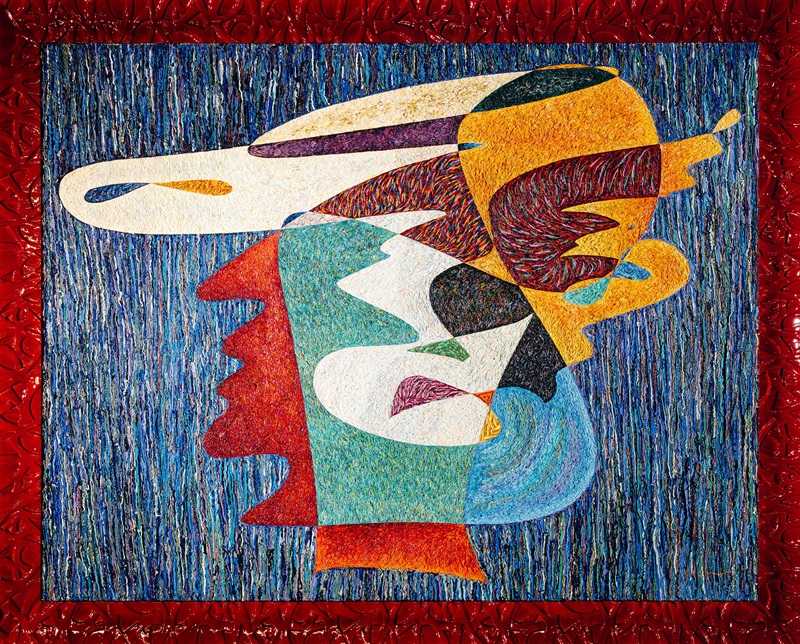
The Price of Progress: Gheorghe Virtosu on Henry Ford
12 May 2017In this interview, Gheorghe Virtosu discusses Henry Ford as part of his World Famous Personalities series, examining the paradox of industrial progress through abstract portraiture. Rather than portraying Ford as simply an inventor or entrepreneur, Virtosu reflects on him as the symbolic figure through whom industrial civilization reshaped the modern world. The conversation explores the tension between innovation and its unintended consequences, arguing that the same industrial vision that expanded mobility, productivity, and prosperity also accelerated humanity's environmental transformation. For the artist, Henry Ford becomes less a historical individual than a metaphor for the achievements and burdens of modern civilization, raising broader questions about whether history can celebrate progress without also confronting its lasting consequences.
Read More →Available for Representation
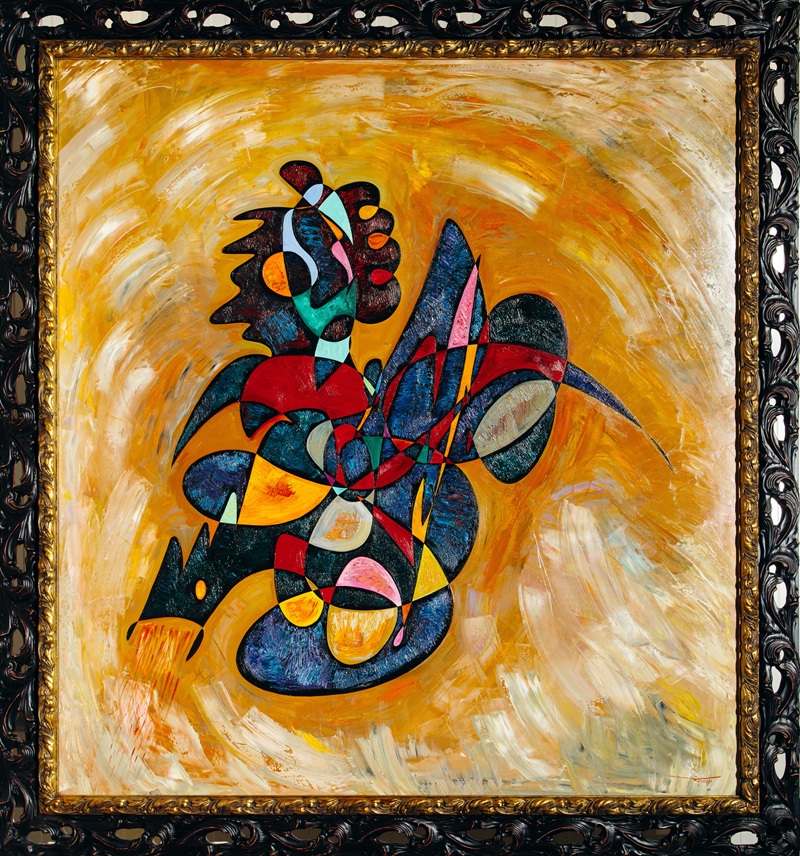
The Architecture of Leadership: Gheorghe Virtosu on Margaret Thatcher
10 Apr 2017Margaret Thatcher marks the next stage in Gheorghe Virtosu's exploration of abstract portraiture following The Magician. Rather than reproducing the physical likeness of one of the twentieth century's most recognizable political leaders, the work investigates whether identity can be expressed through structure, rhythm, color, and psychological presence. In this interview, Virtosu discusses why he rejected conventional portraiture, how abstraction can reveal conviction and historical influence more effectively than realism, and why the painting is ultimately less about politics than the invisible forces that define leadership. Margaret Thatcher continues his broader investigation into how abstraction can preserve the essence of historical personalities long after their image has become familiar.
Read More →Available for Representation
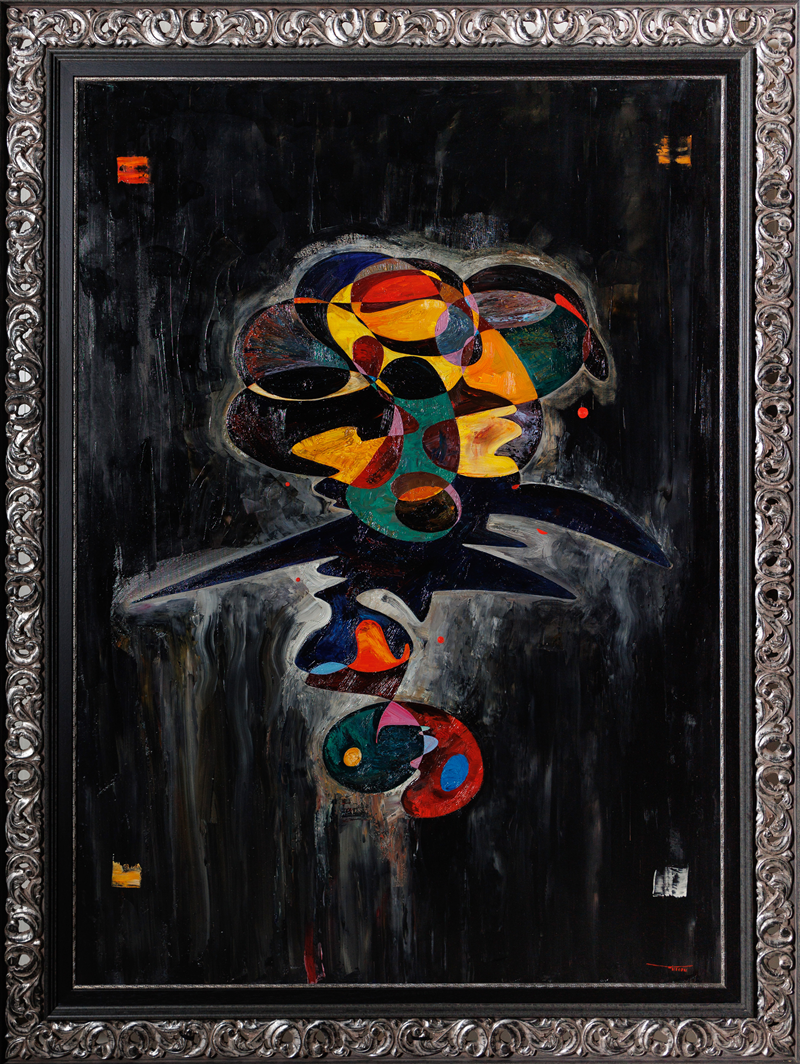
From Vision to Painting: The Origins of The Magician
07 Nov 2016In this interview, Gheorghe Virtosu reflects on the conceptual origins of The Magician, tracing its inception to a transformative experience during solitary confinement in 2004. He discusses the series of visions that, in his view, revealed a new mode of perception and the metaphorical "magic gate" through which the conceptual foundations of his artistic practice first emerged. The conversation examines the seven-year development of the painting, the role of abstraction as a method for investigating structures of consciousness and knowledge, and the significance of The Magician as the point of departure for the broader body of research that would later evolve into his sustained exploration of identity, belief, conflict, and power.
Read More →Representation Closed
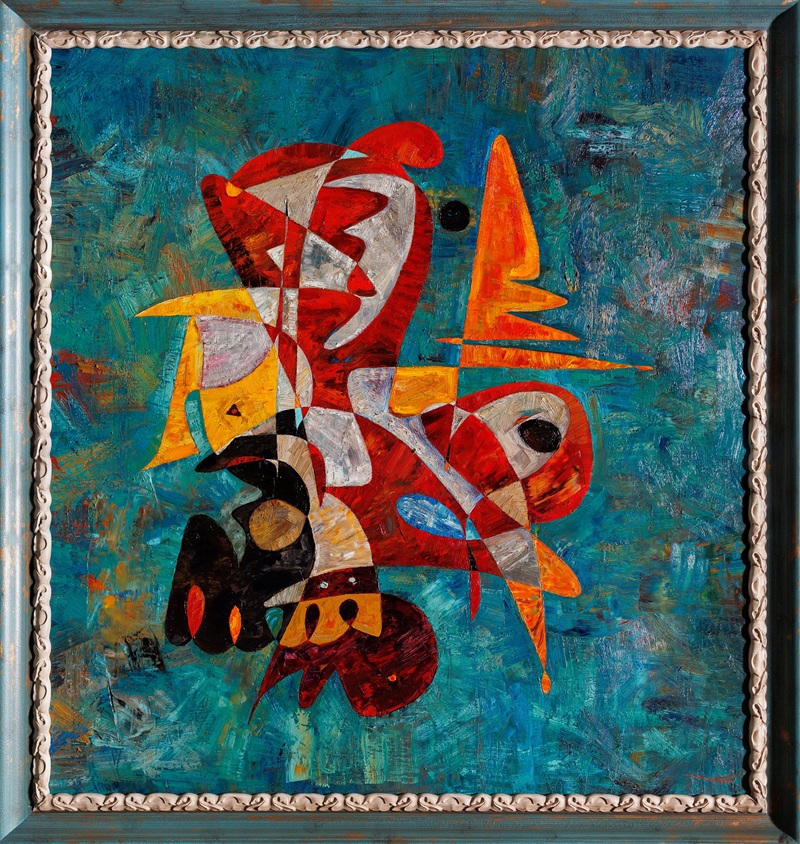
The Century of Dolphins: Gheorghe Virtosu on Prosperity, Civilization, and Artistic Transition
10 May 2015In this interview, Gheorghe Virtosu discusses The Century of Dolphins, the painting he regards as the pivotal transition between his first work, Fatimah bint Muhammad, and the later philosophical vision of The Magician. Reflecting on its conception in 2006, he explains how the work marked a shift from deeply personal themes of loss and abandonment toward a broader exploration of civilization, cooperation, prosperity, and humanity's potential. Looking back, Virtosu describes The Century of Dolphins as the moment his artistic practice moved beyond autobiography and began its enduring inquiry into the future of human society.
Read More →Representation Closed
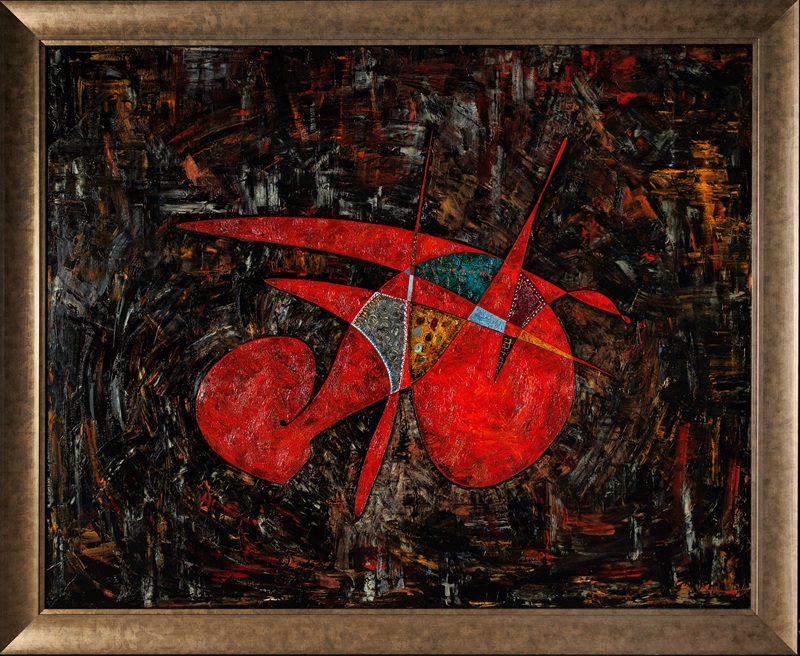
From Personal Experience to Painting: Gheorghe Virtosu Discusses Fatimah bint Muhammad
11 Apr 2014In this interview, Gheorghe Virtosu reflects on the origins of Fatimah bint Muhammad, one of the earliest paintings to emerge directly from his personal experiences and a formative work in the development of his artistic practice. He discusses how a period of solitary confinement in France during 2004–2005, combined with the emotional impact of personal loss, led him to explore the ideals of devotion, loyalty, and resilience embodied by Fatimah. Looking back, Virtosu explains how a deeply personal experience gradually evolved into a broader philosophical inquiry, establishing the research-driven approach and recurring themes that would come to define his later painting.
Read More →Representation Closed