Art of the World
Gheorghe Virtosu
07
Territories and Transnational Identities
Territories and transnational identities cannot be understood through a single political or geographic framework. They emerge from disputed borders, autonomous regions, colonial inheritances, Indigenous homelands, separatist movements, unrecognised entities and communities whose identities extend beyond established states.
Their histories reveal the instability of political boundaries and the complex relationship between territory, sovereignty and belonging. Migration, displacement, conflict, cultural continuity and competing historical claims have produced identities that may be locally rooted while simultaneously extending across national frontiers.
Many of these subjects have endured occupation, political exclusion, administrative division, cultural suppression or prolonged uncertainty. Yet they cannot be defined only through dispute. Their identities are also expressed through language, memory, ritual, artistic invention and the preservation of collective experience across changing political conditions.
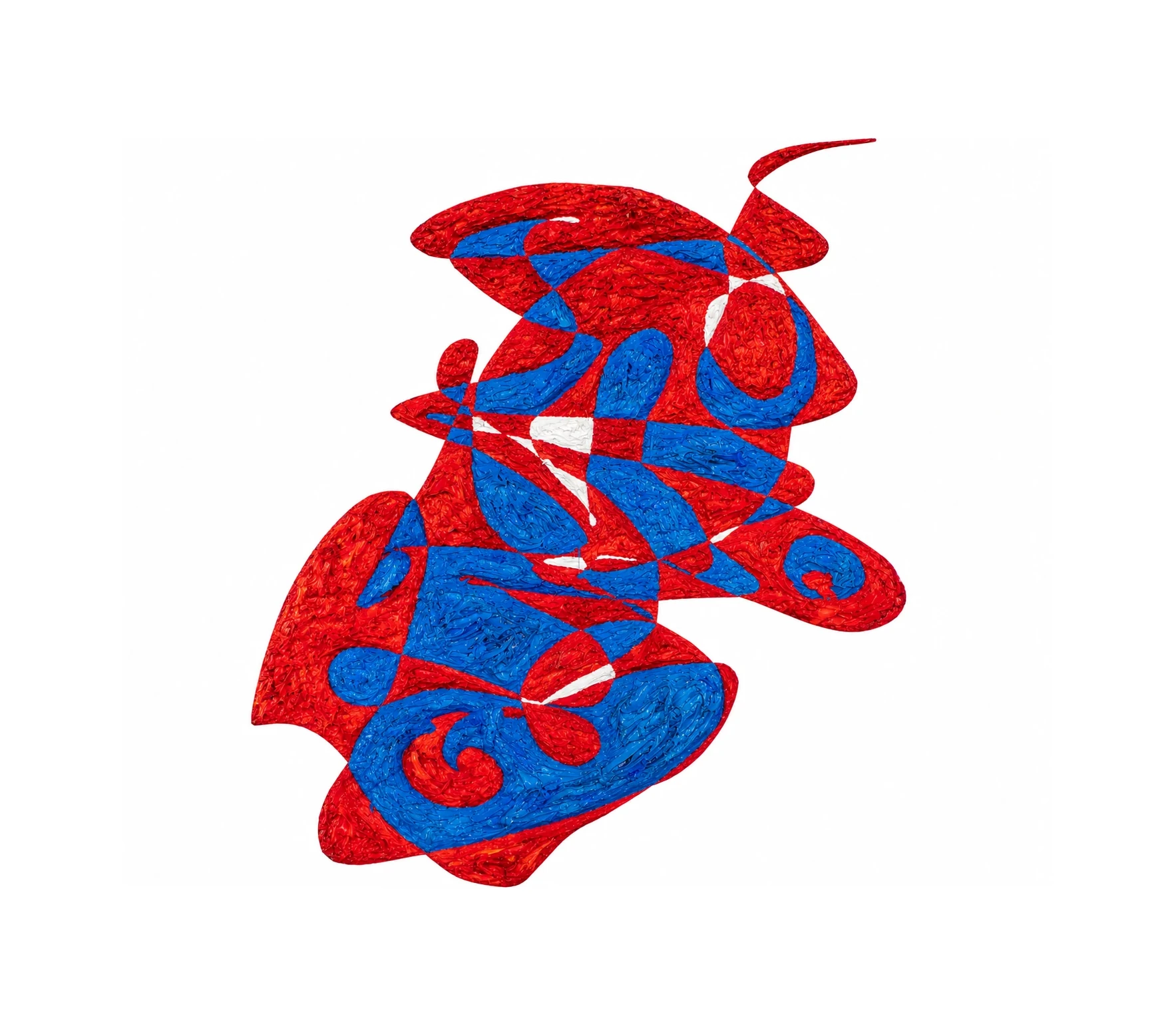
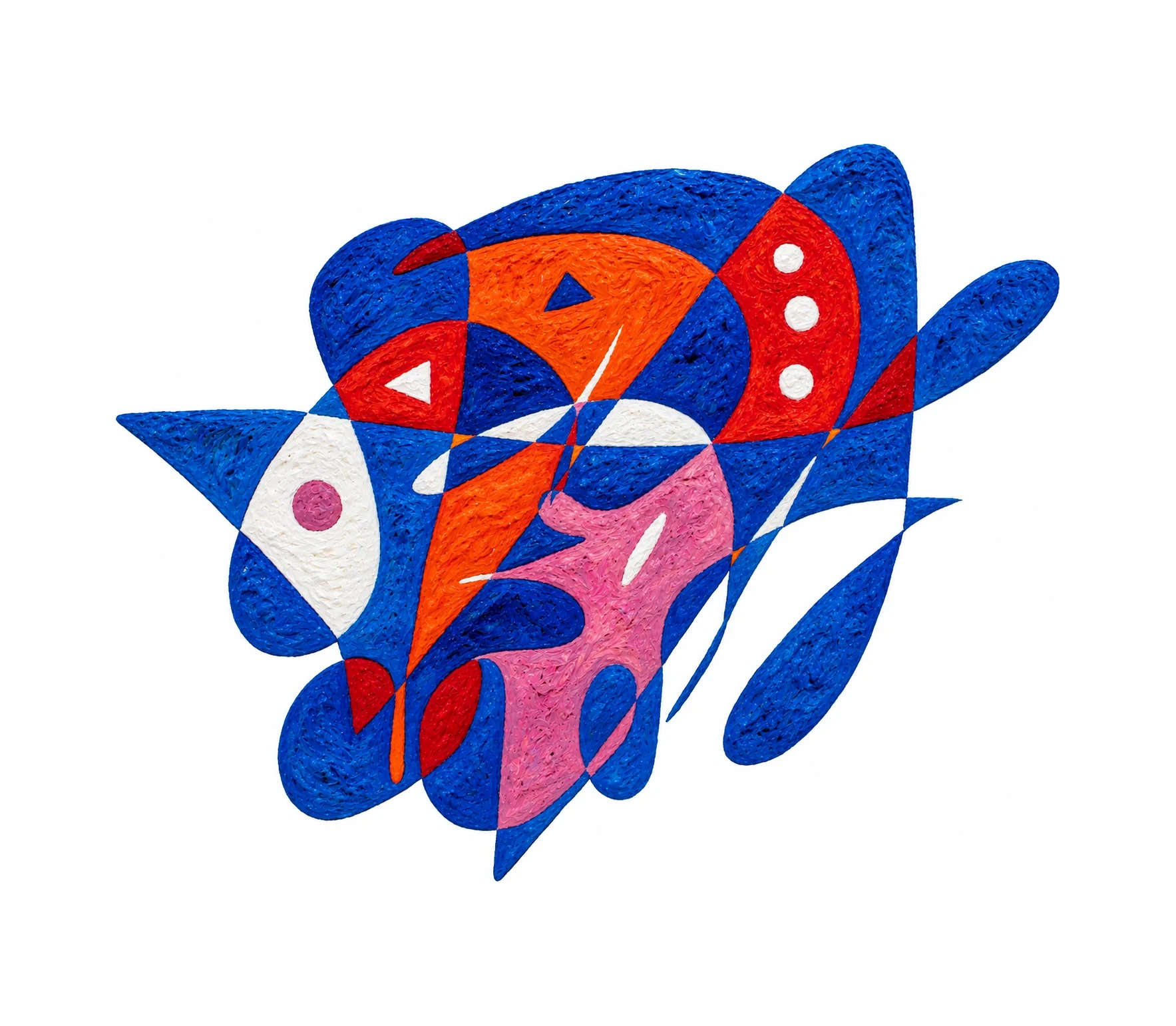
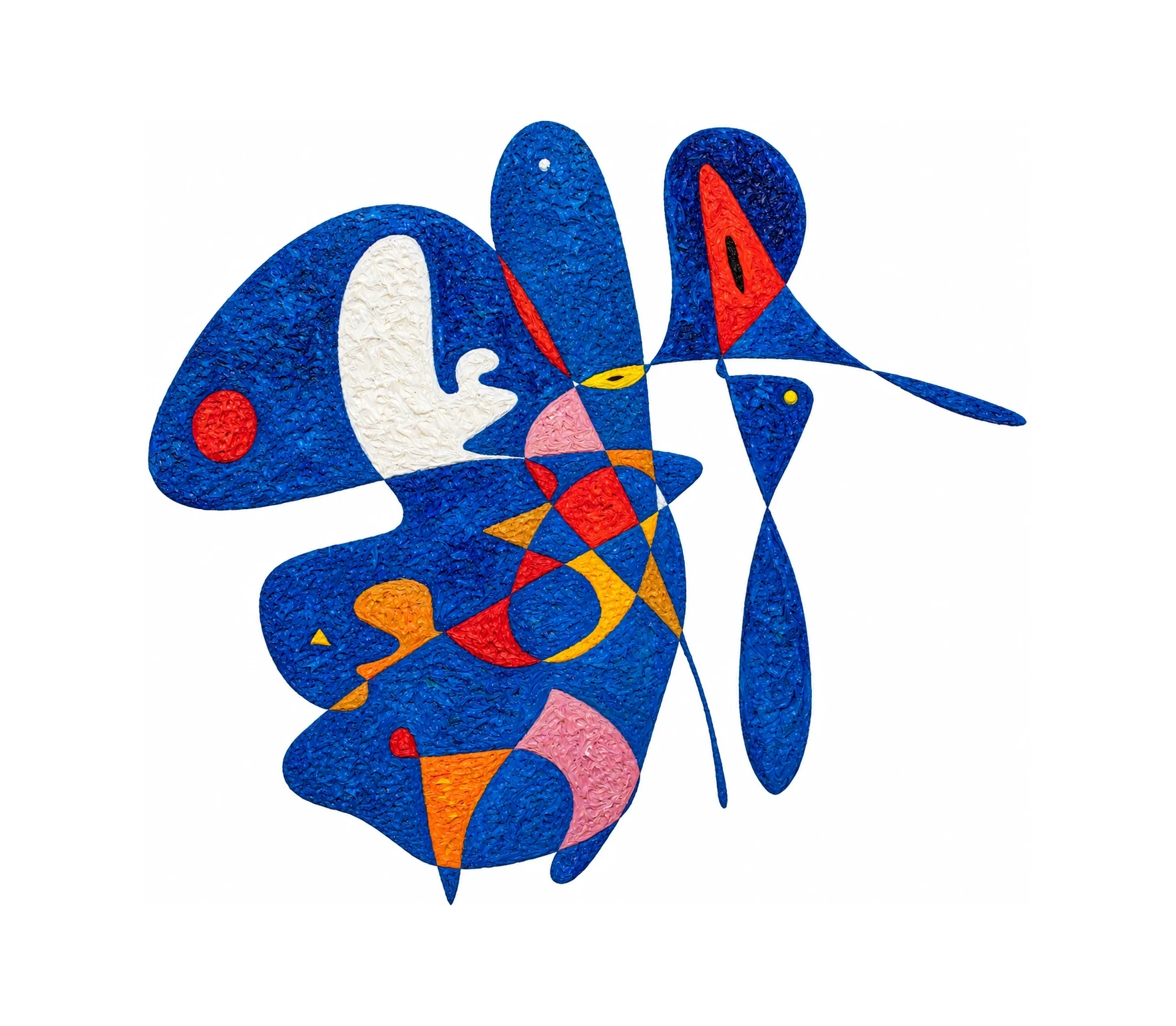
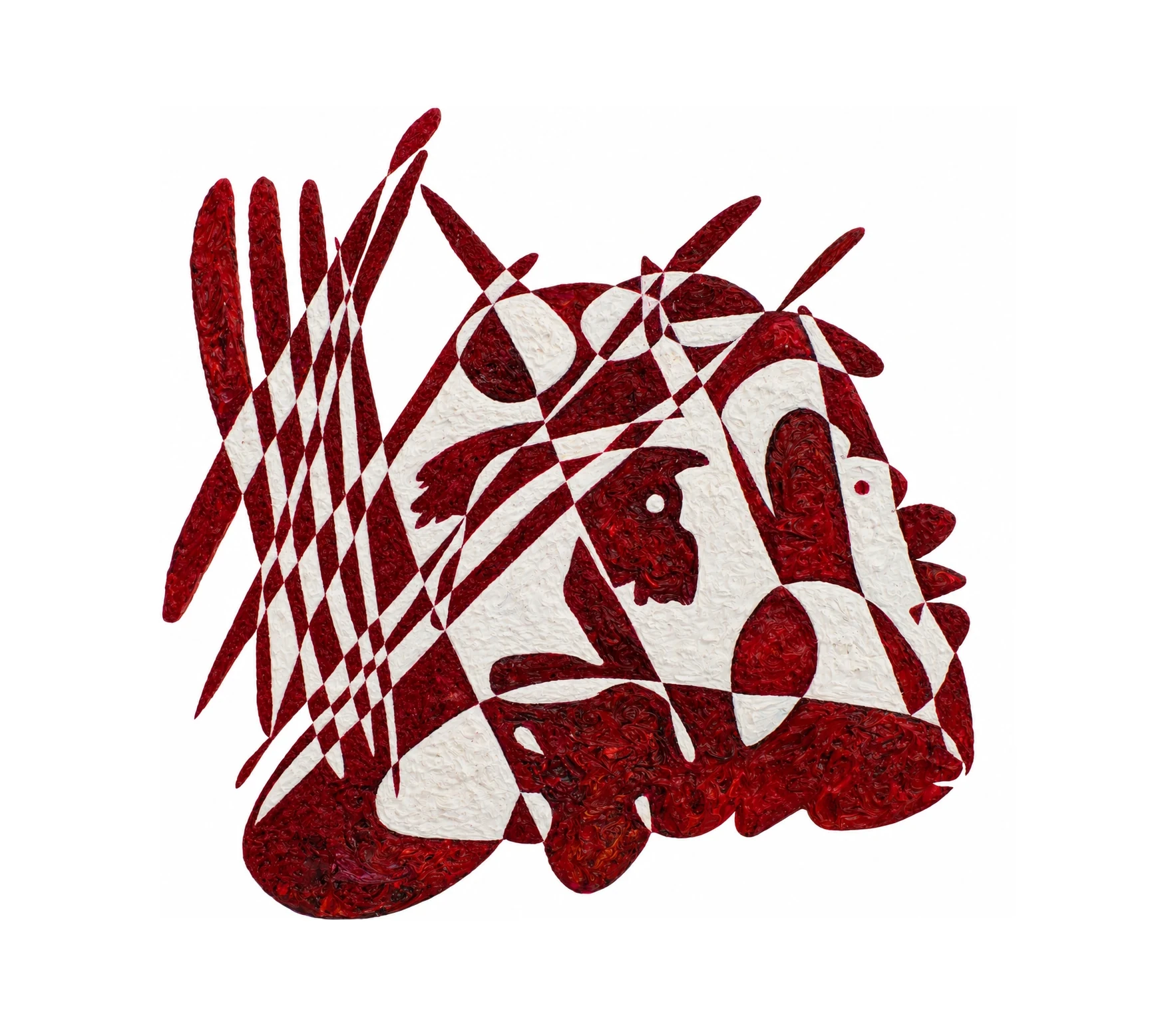
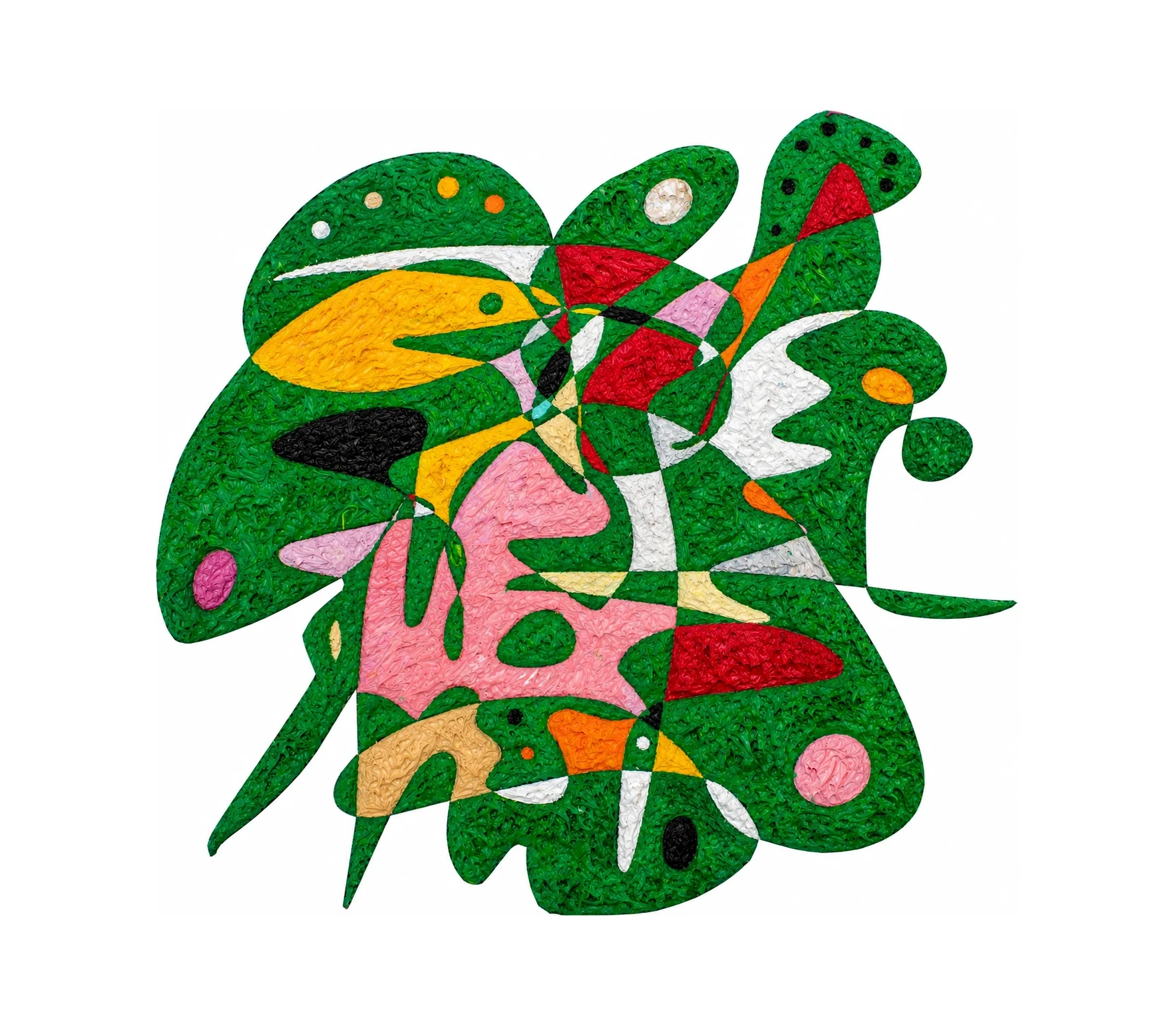
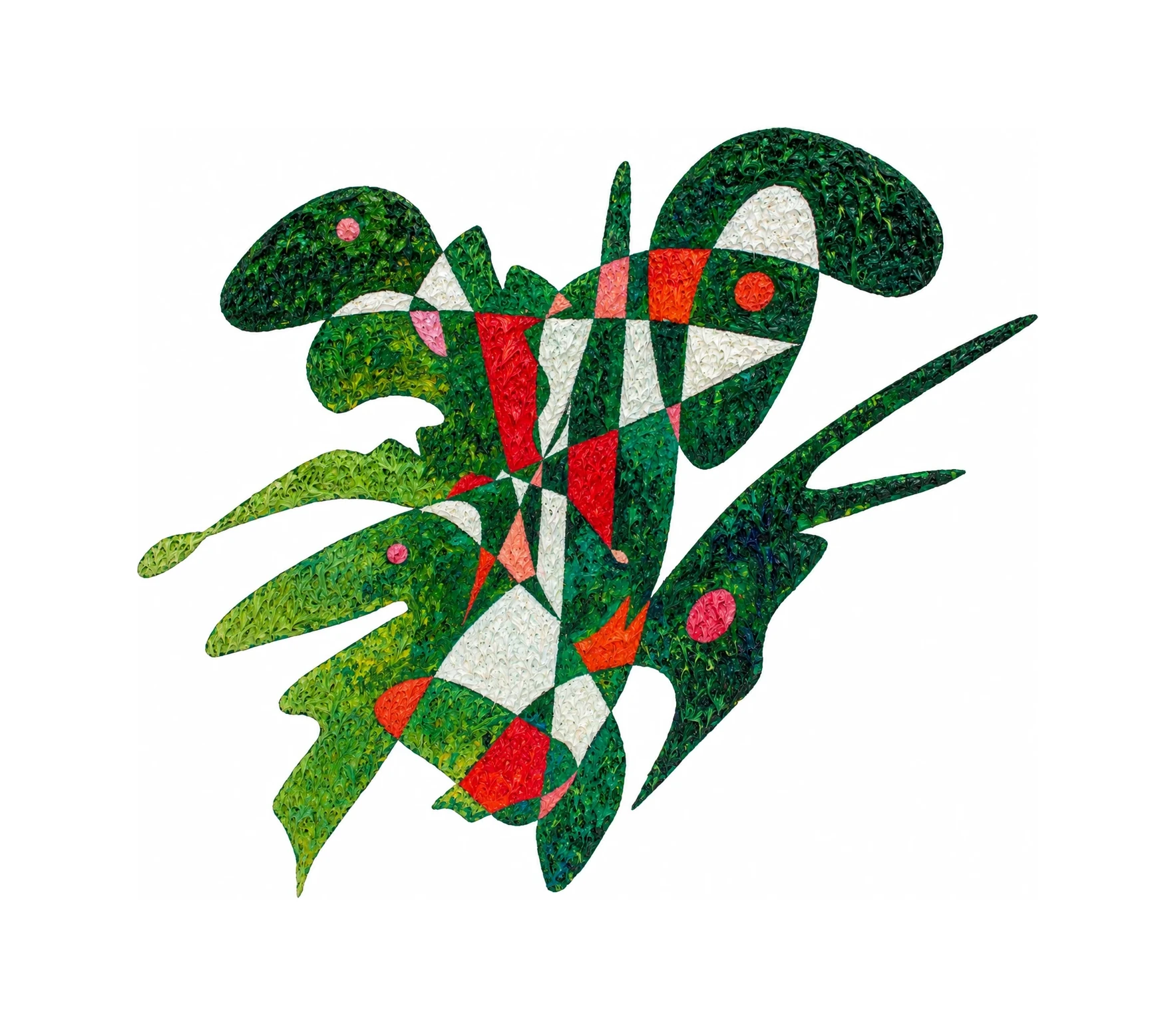
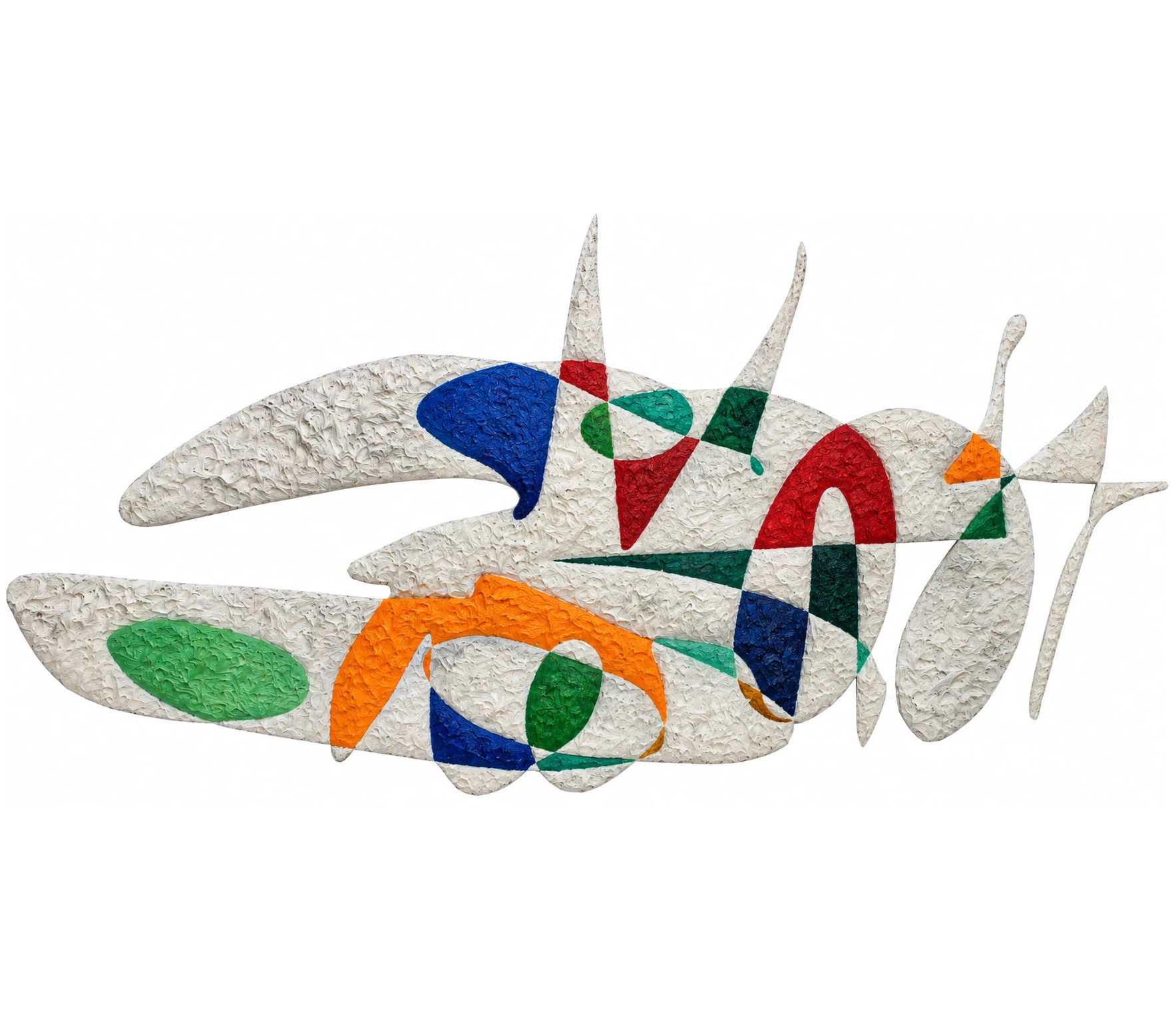
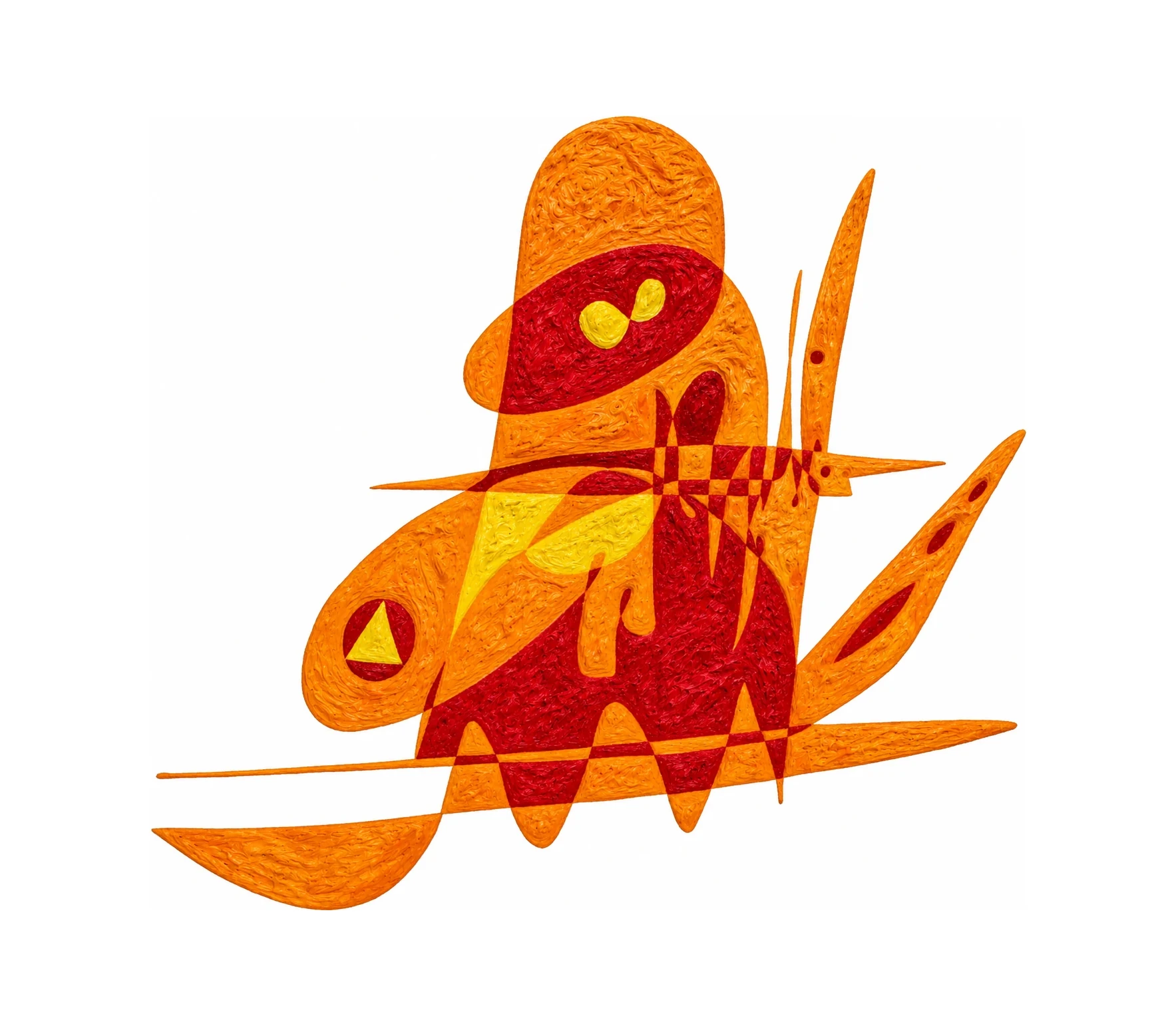
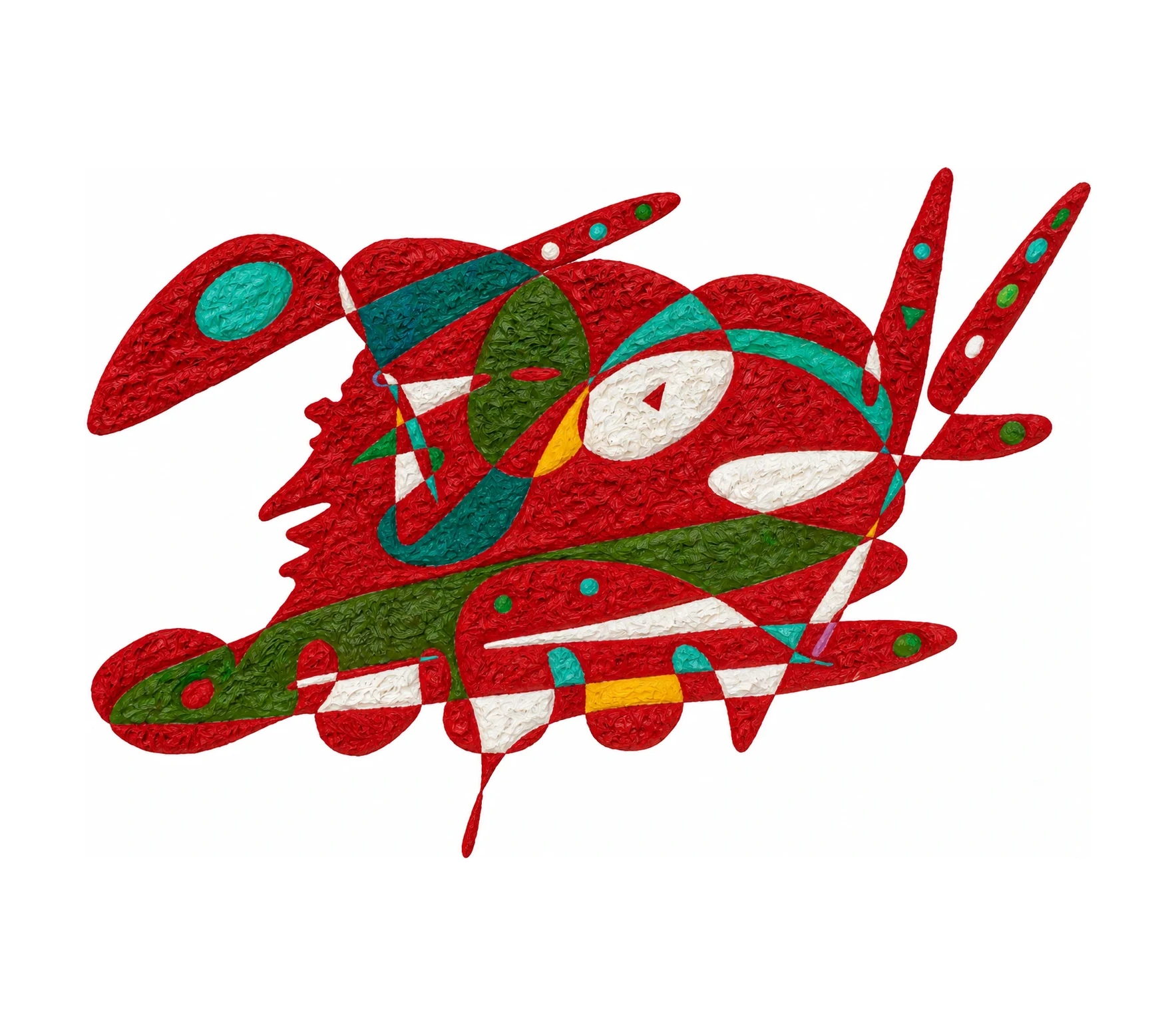
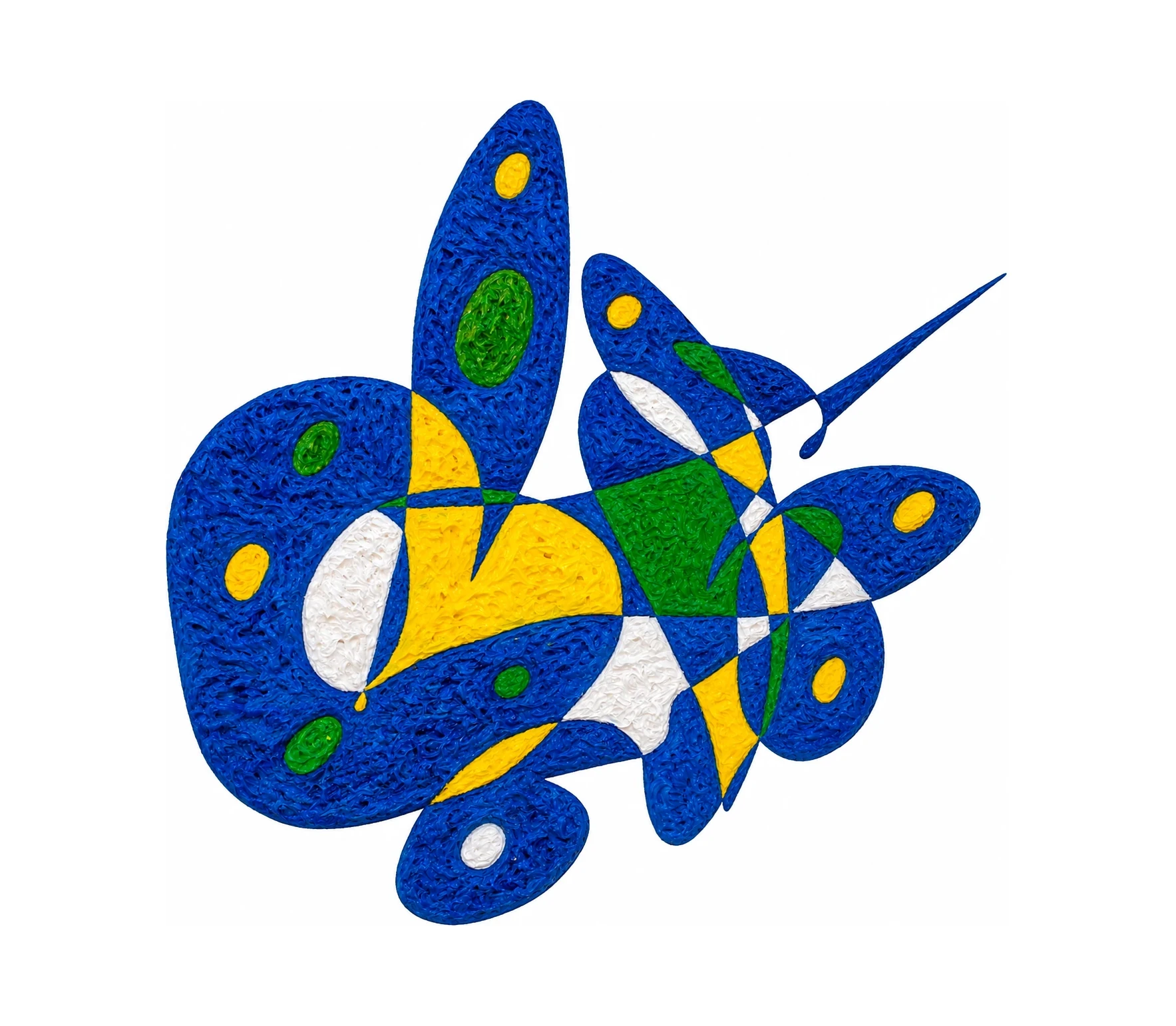
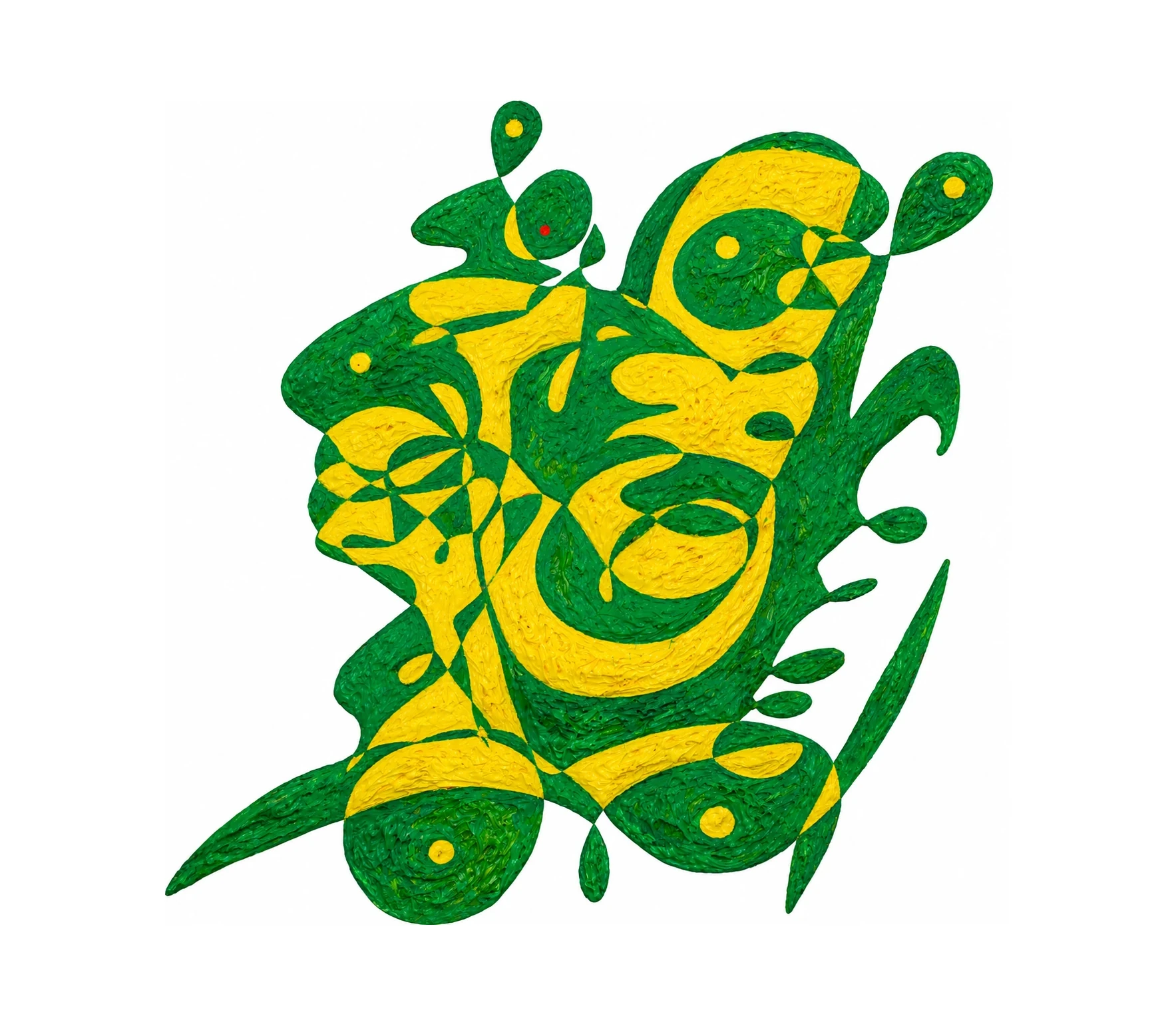
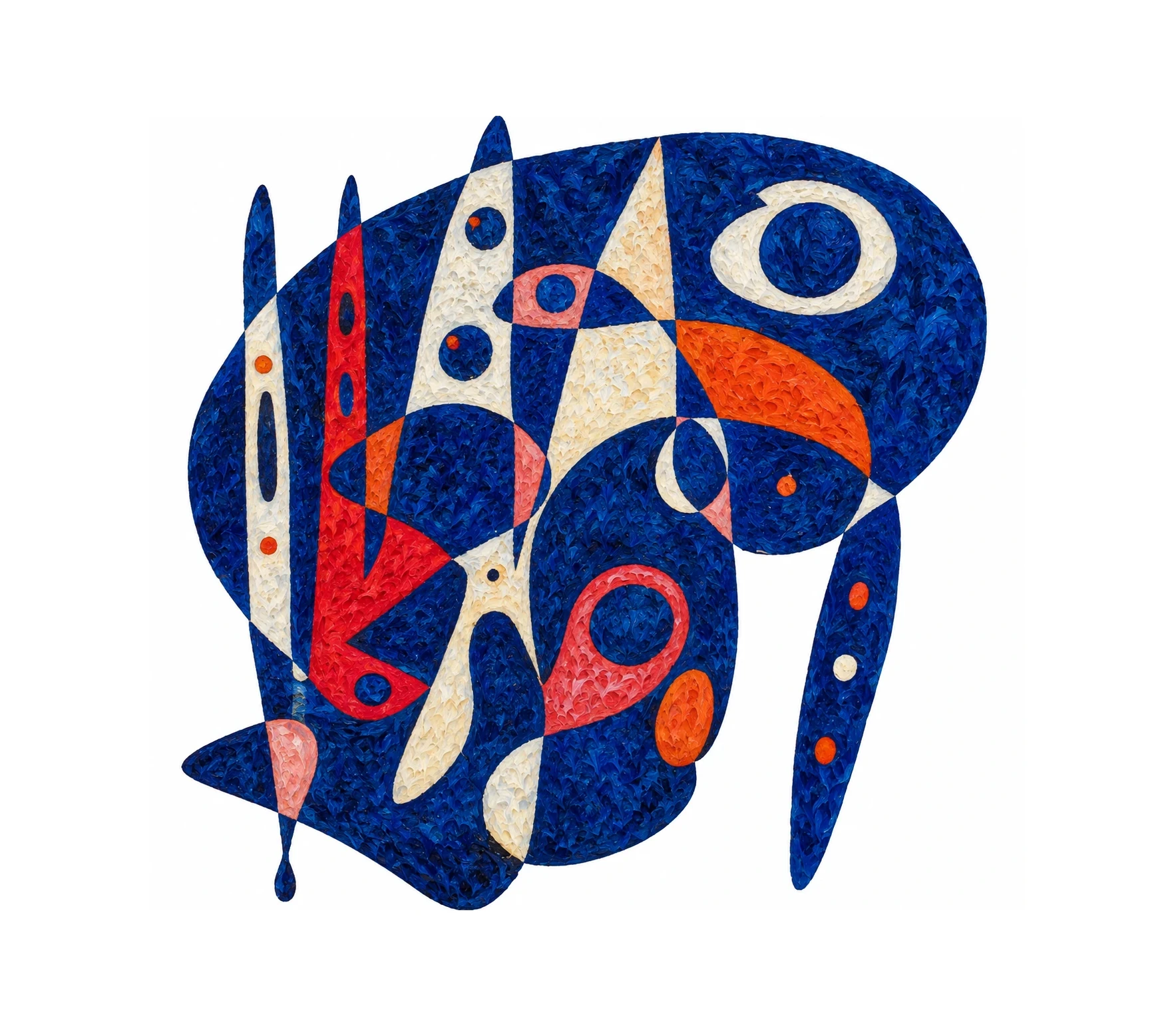
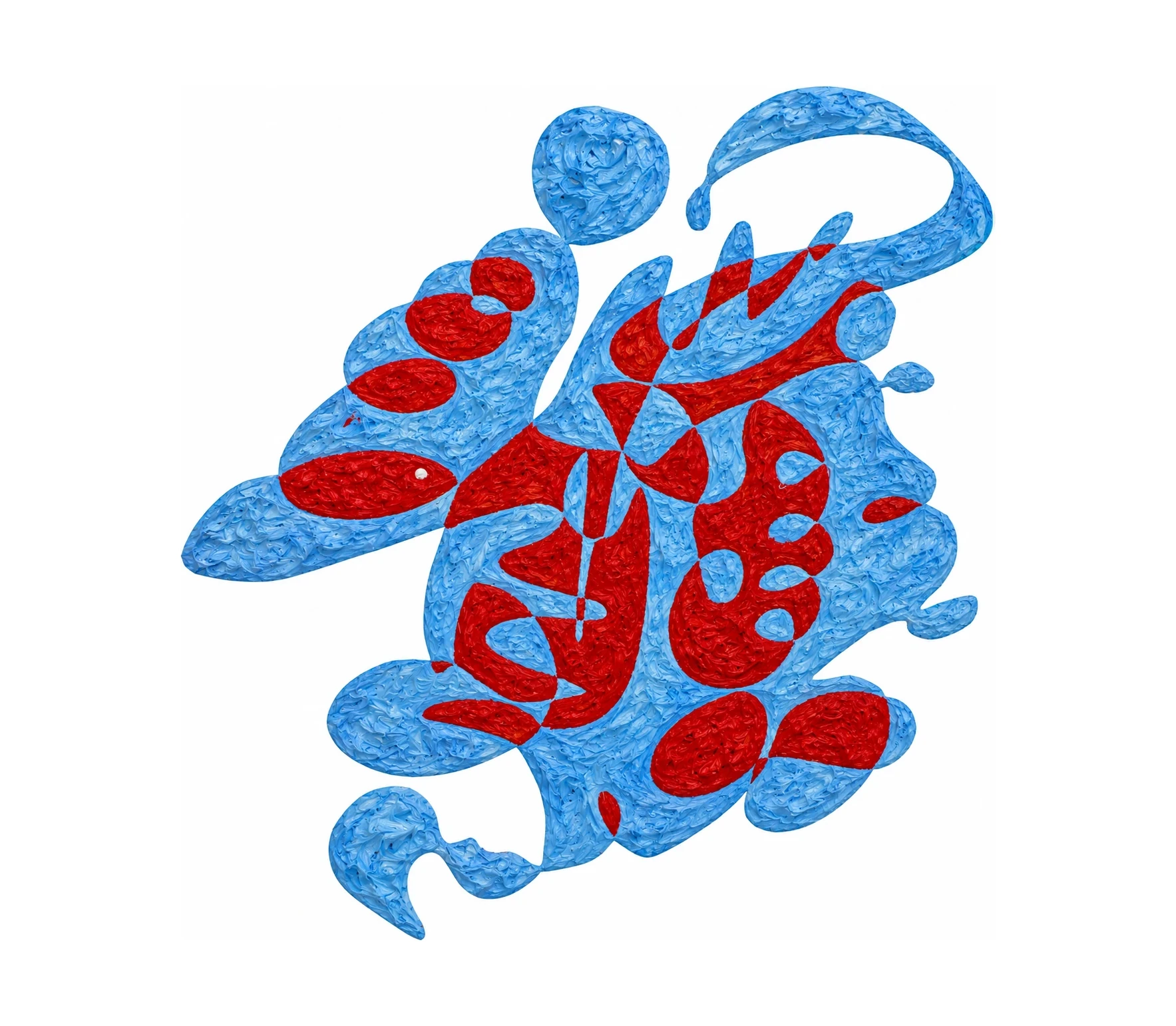
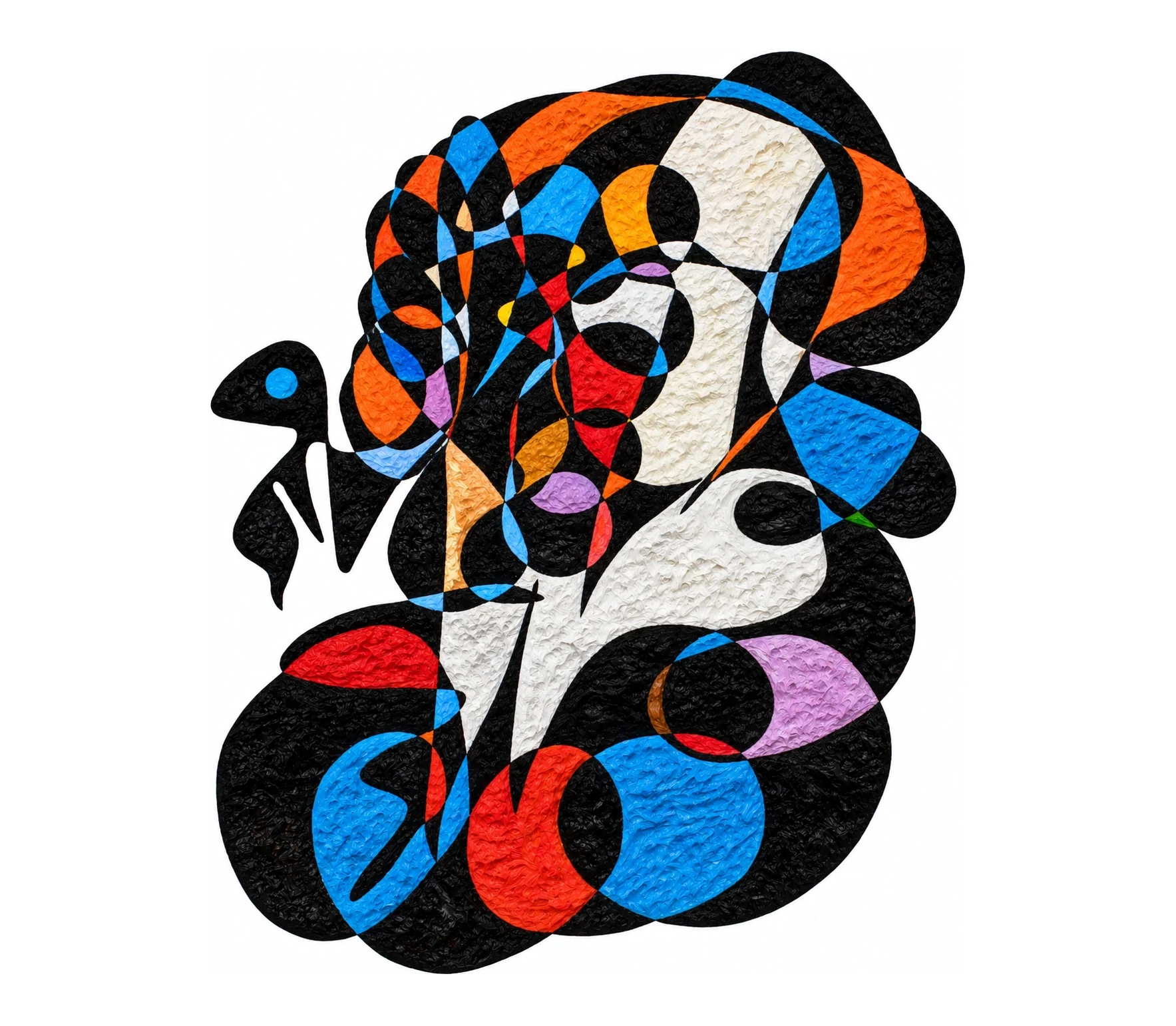
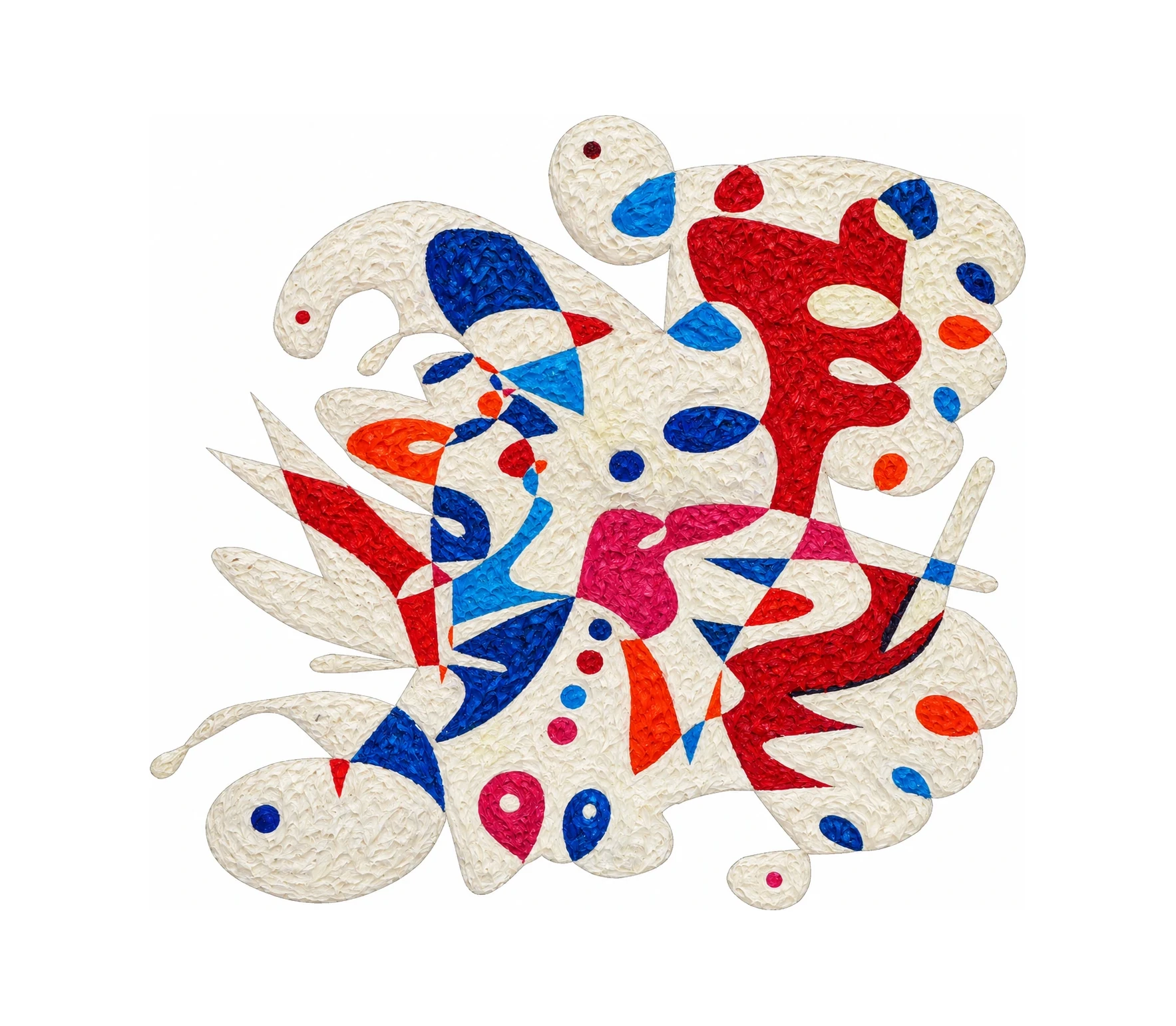
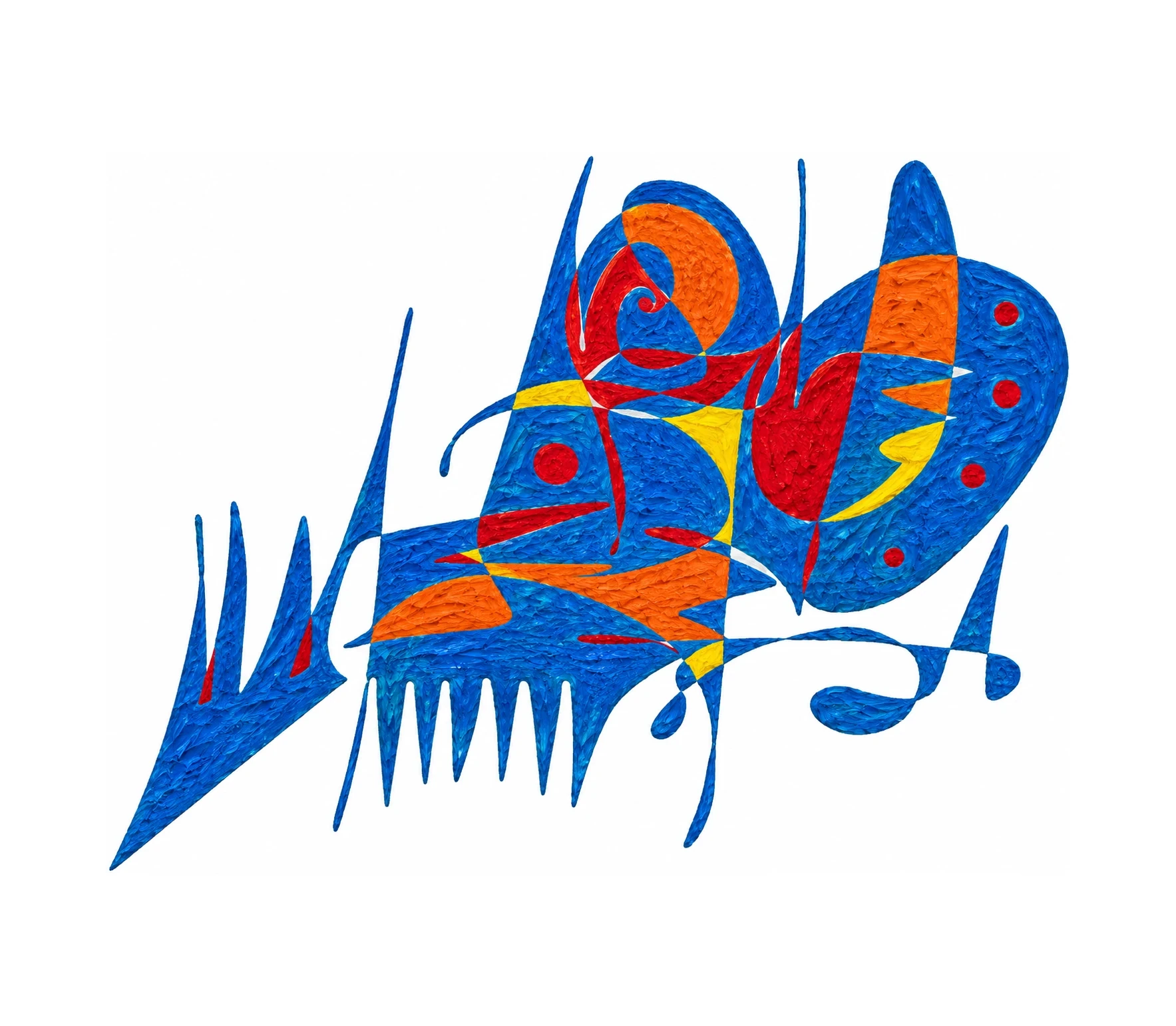
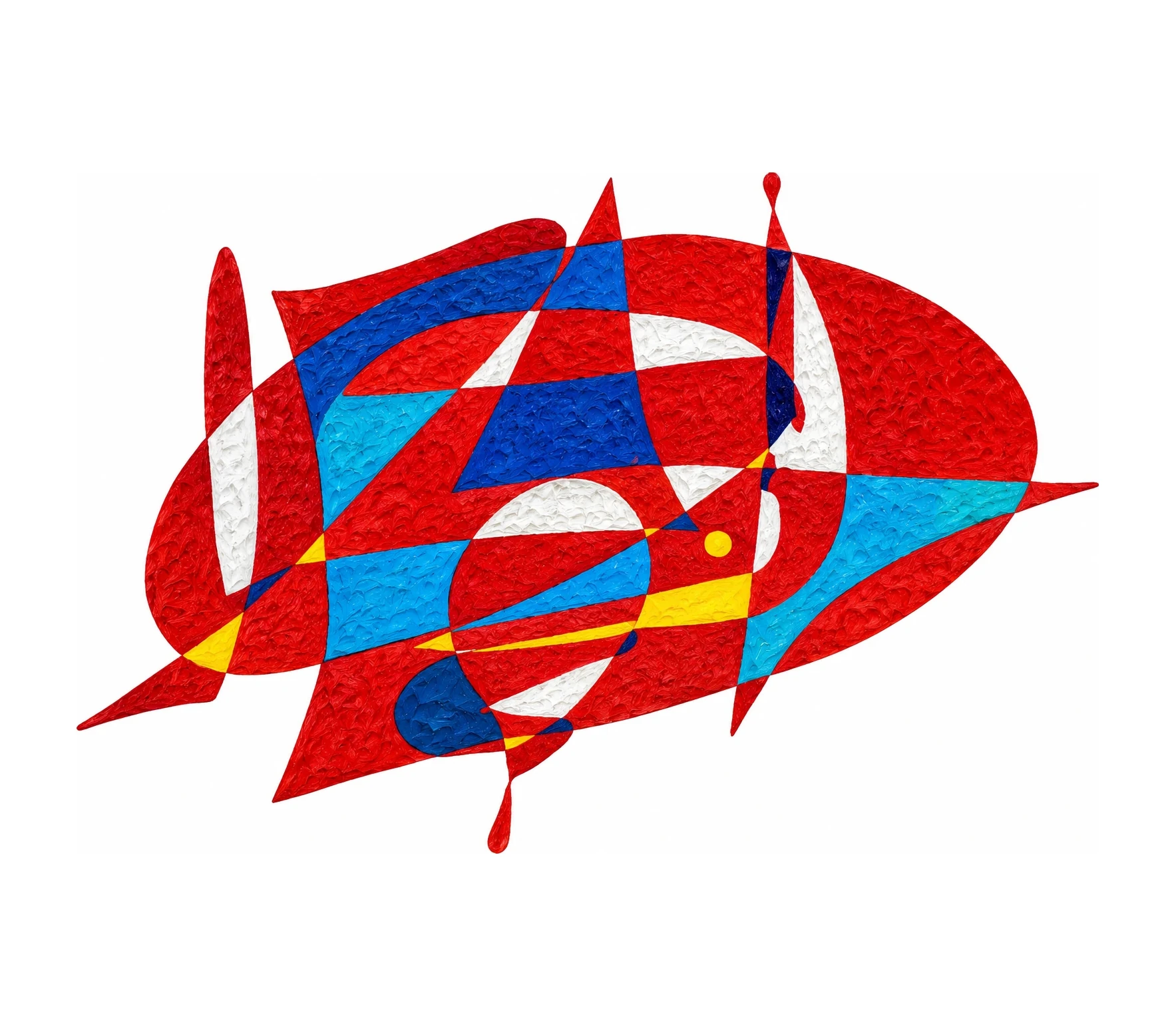
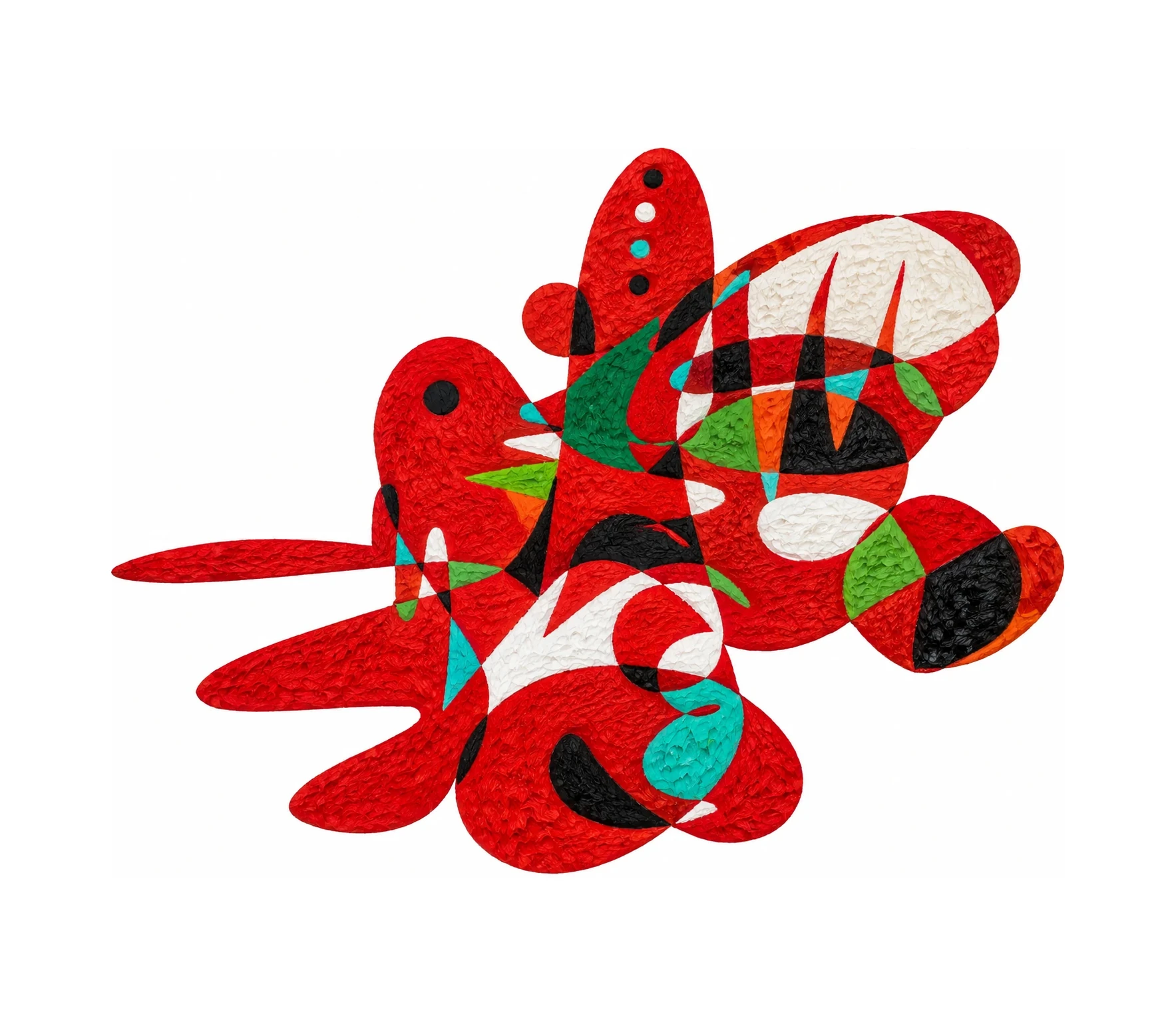
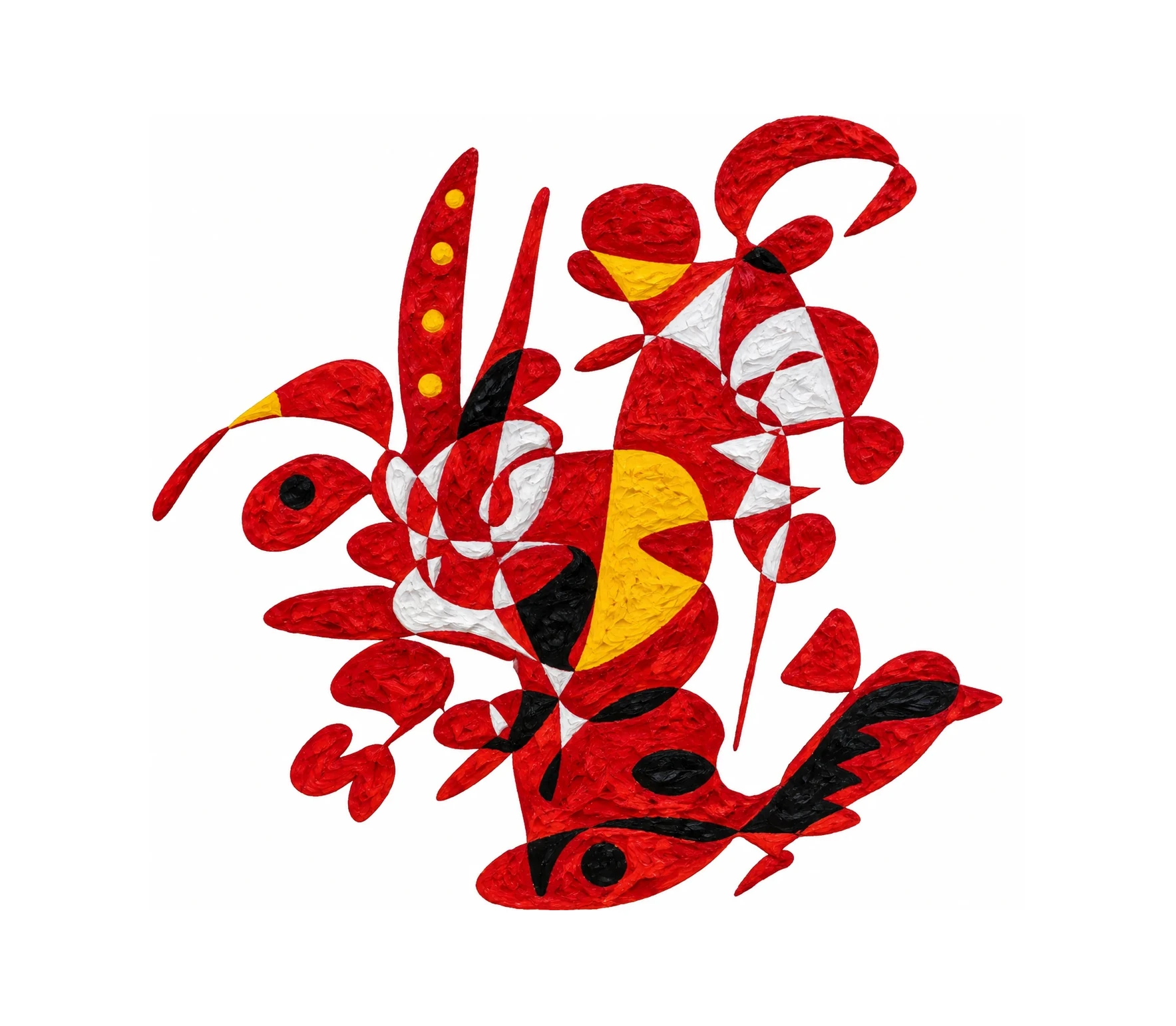
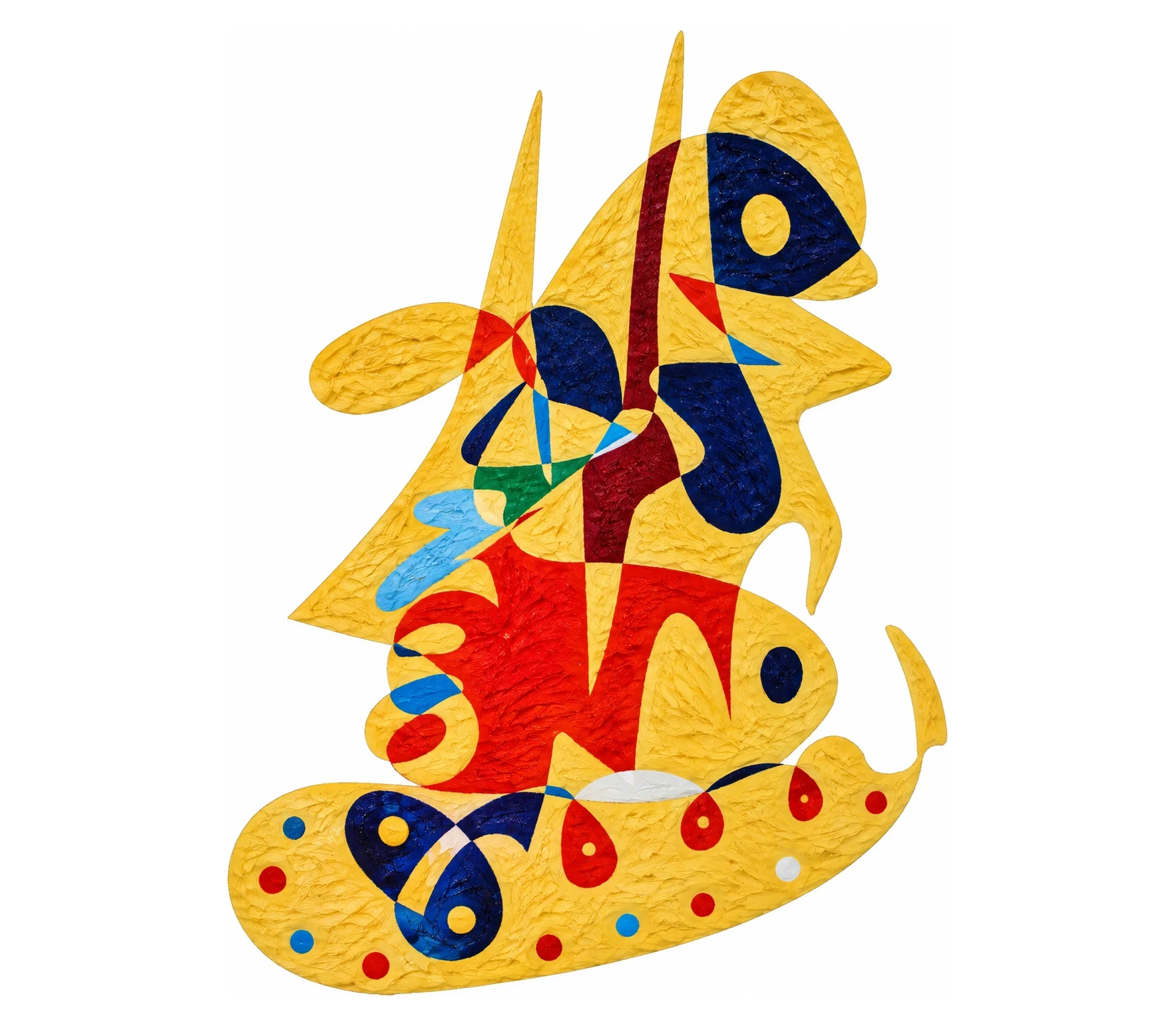
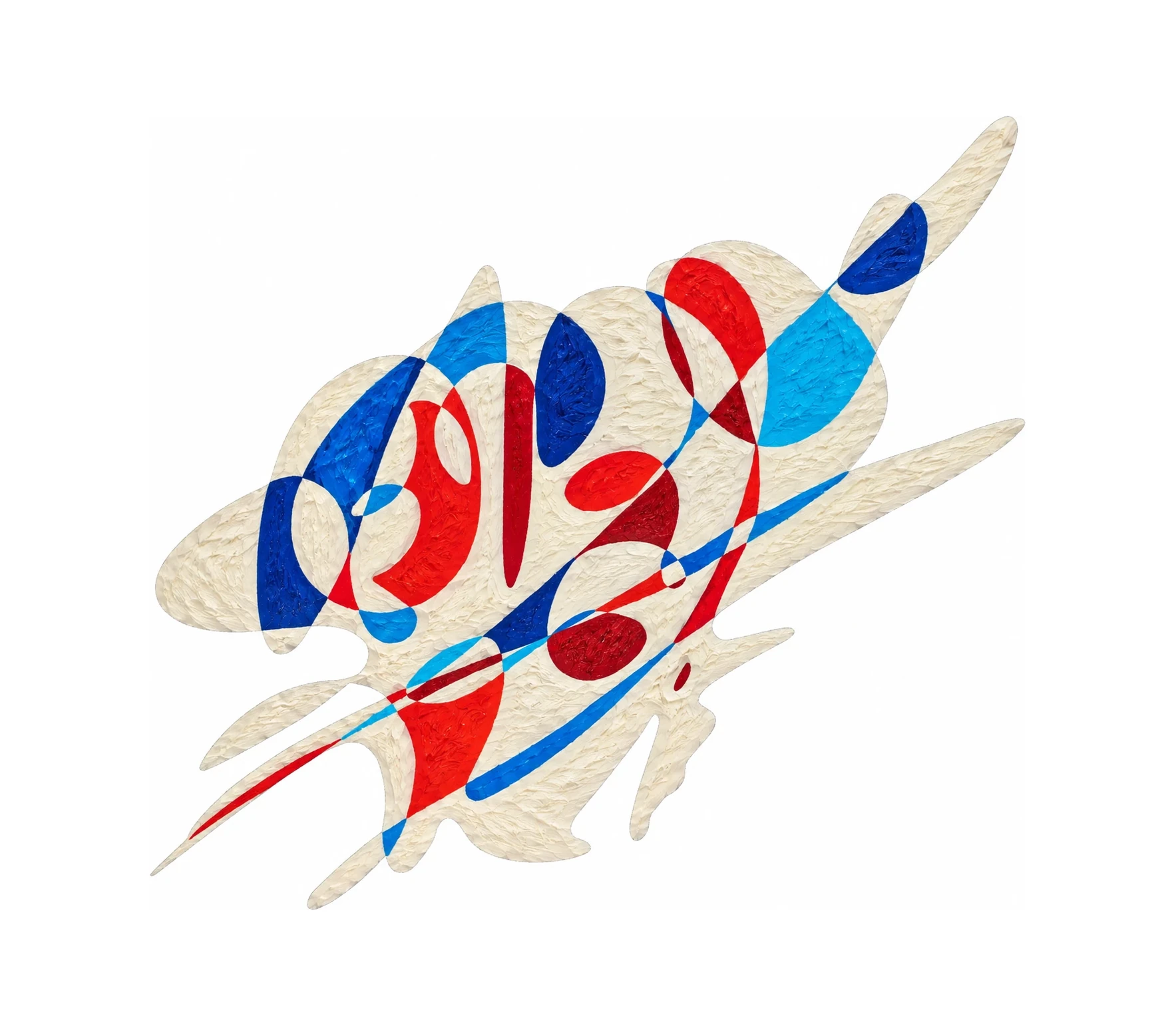
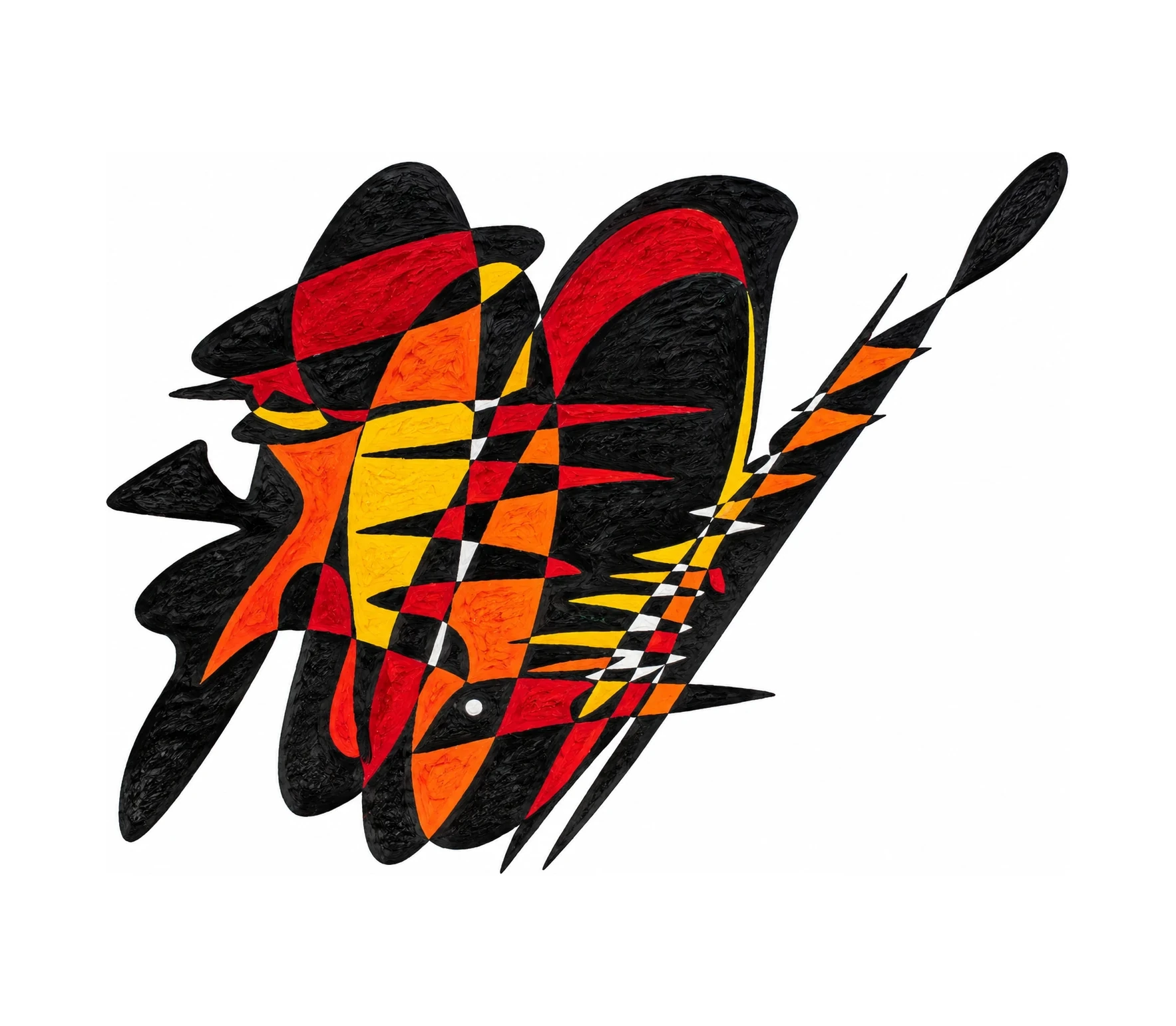
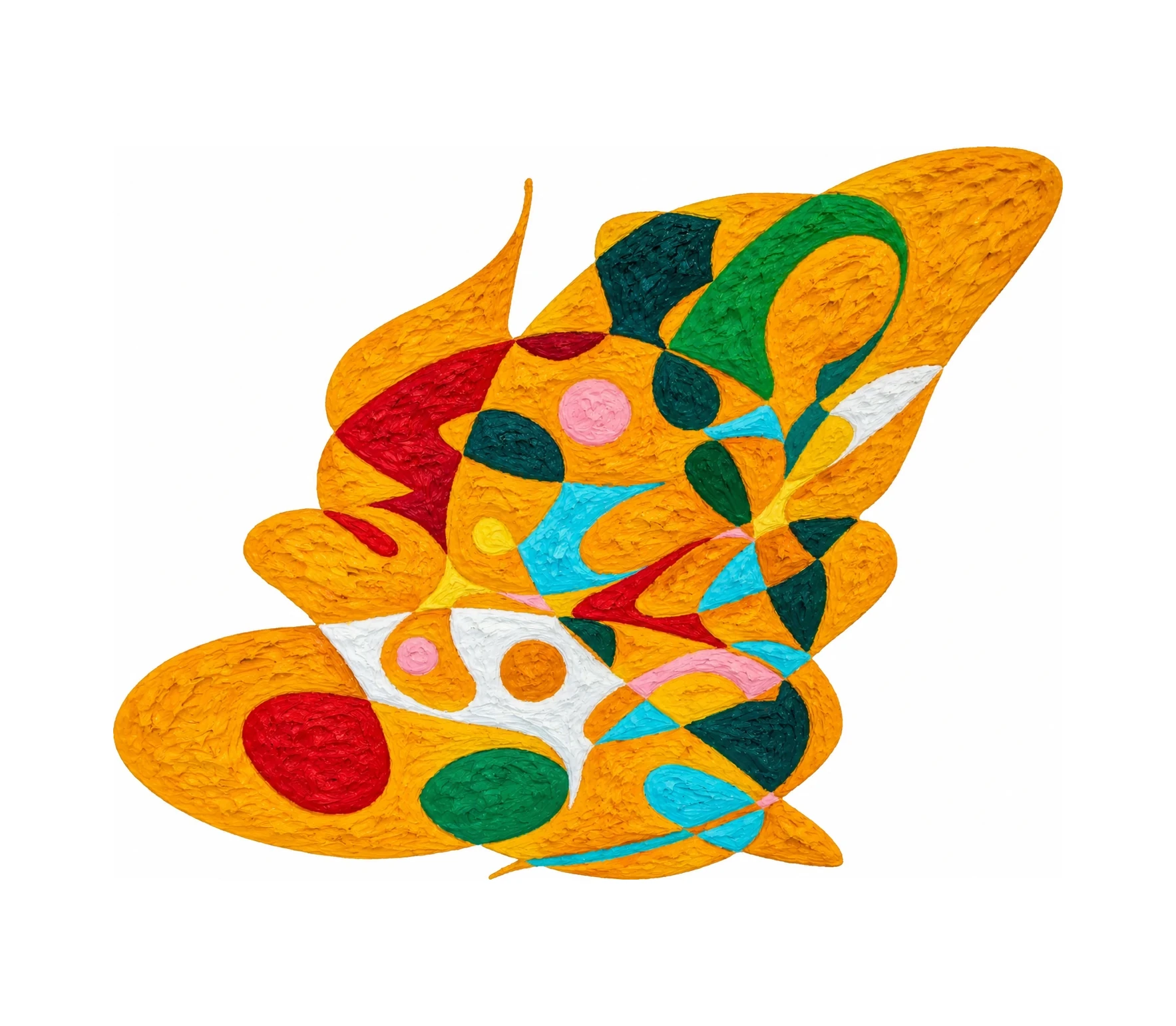
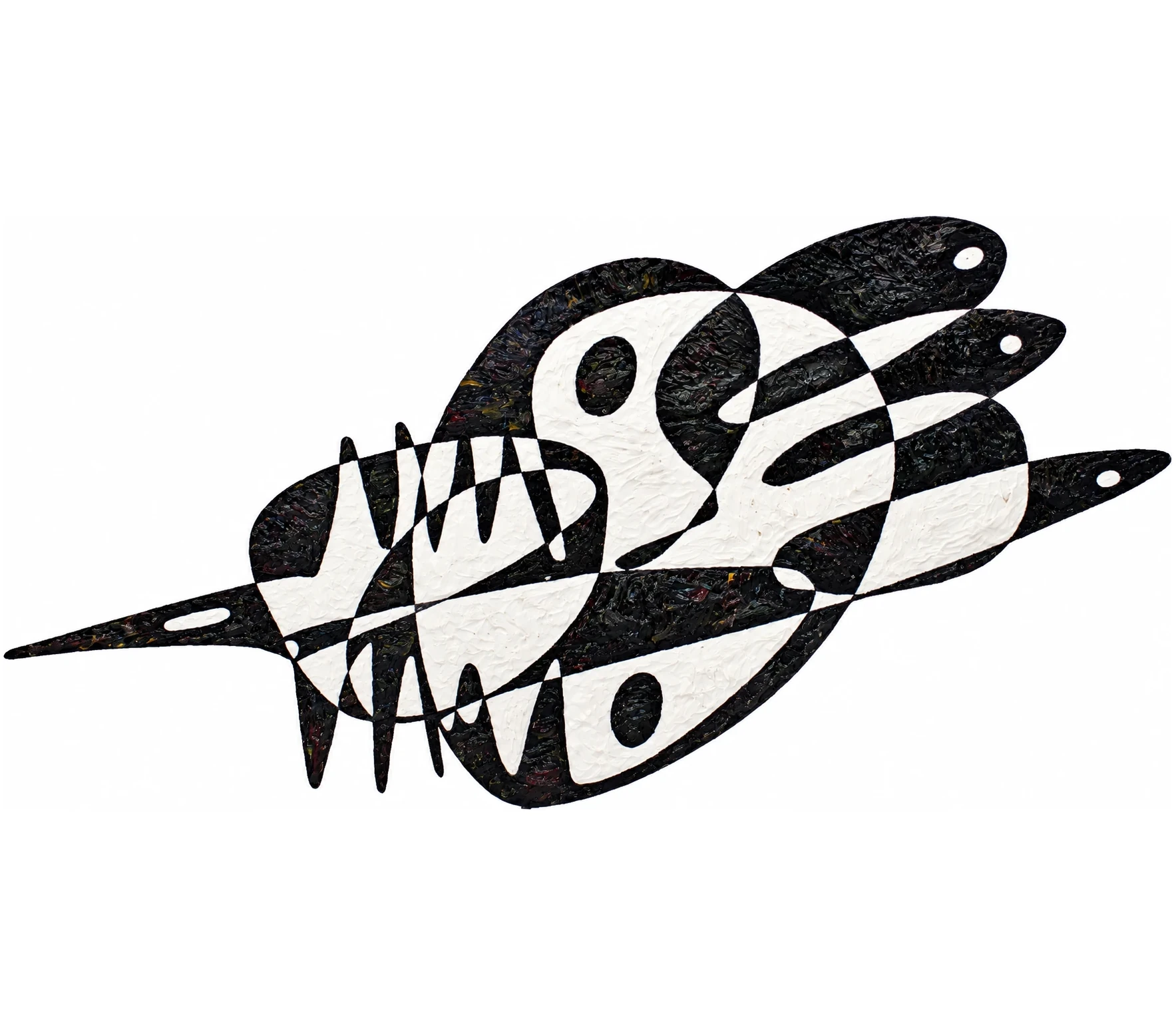
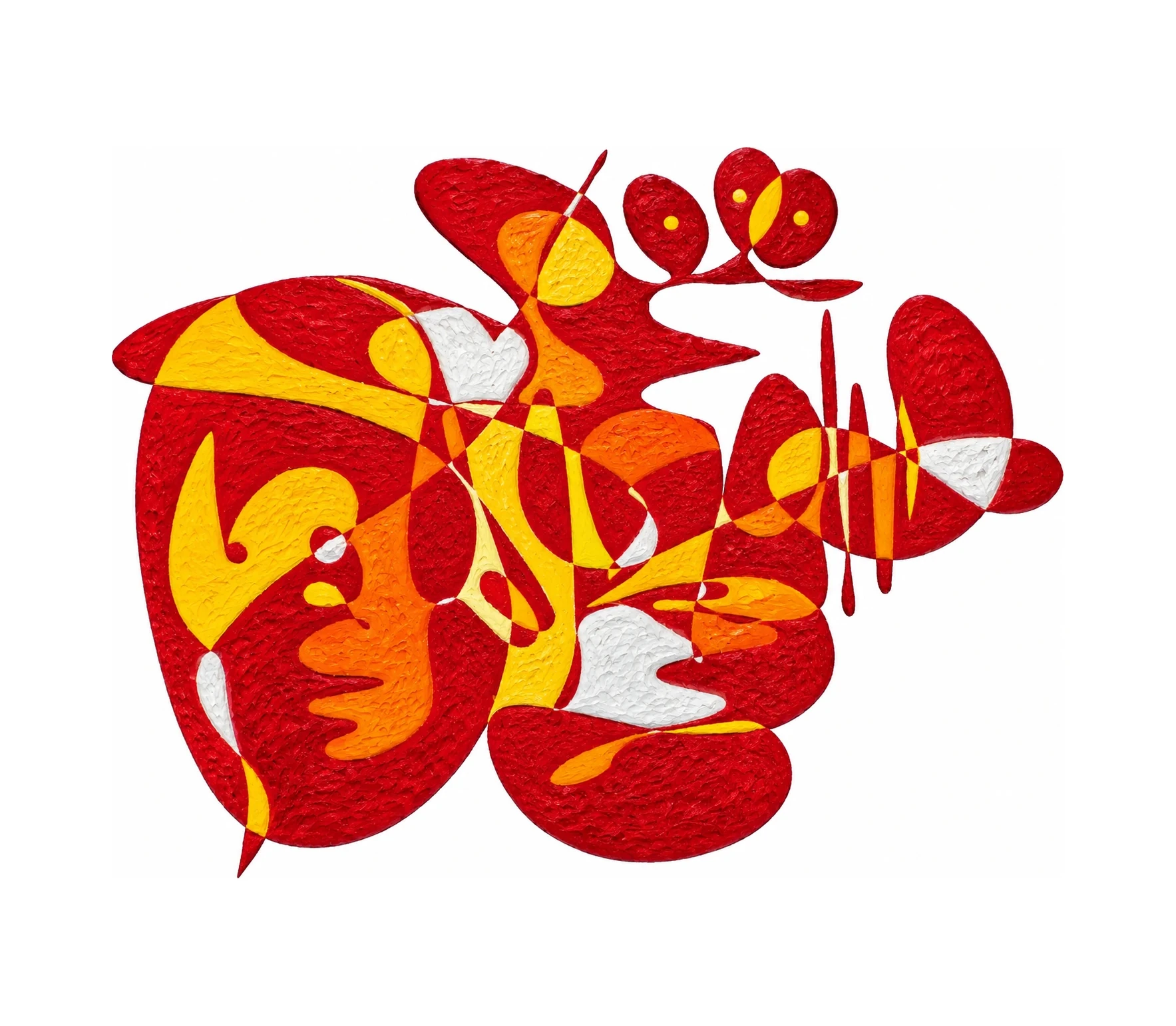
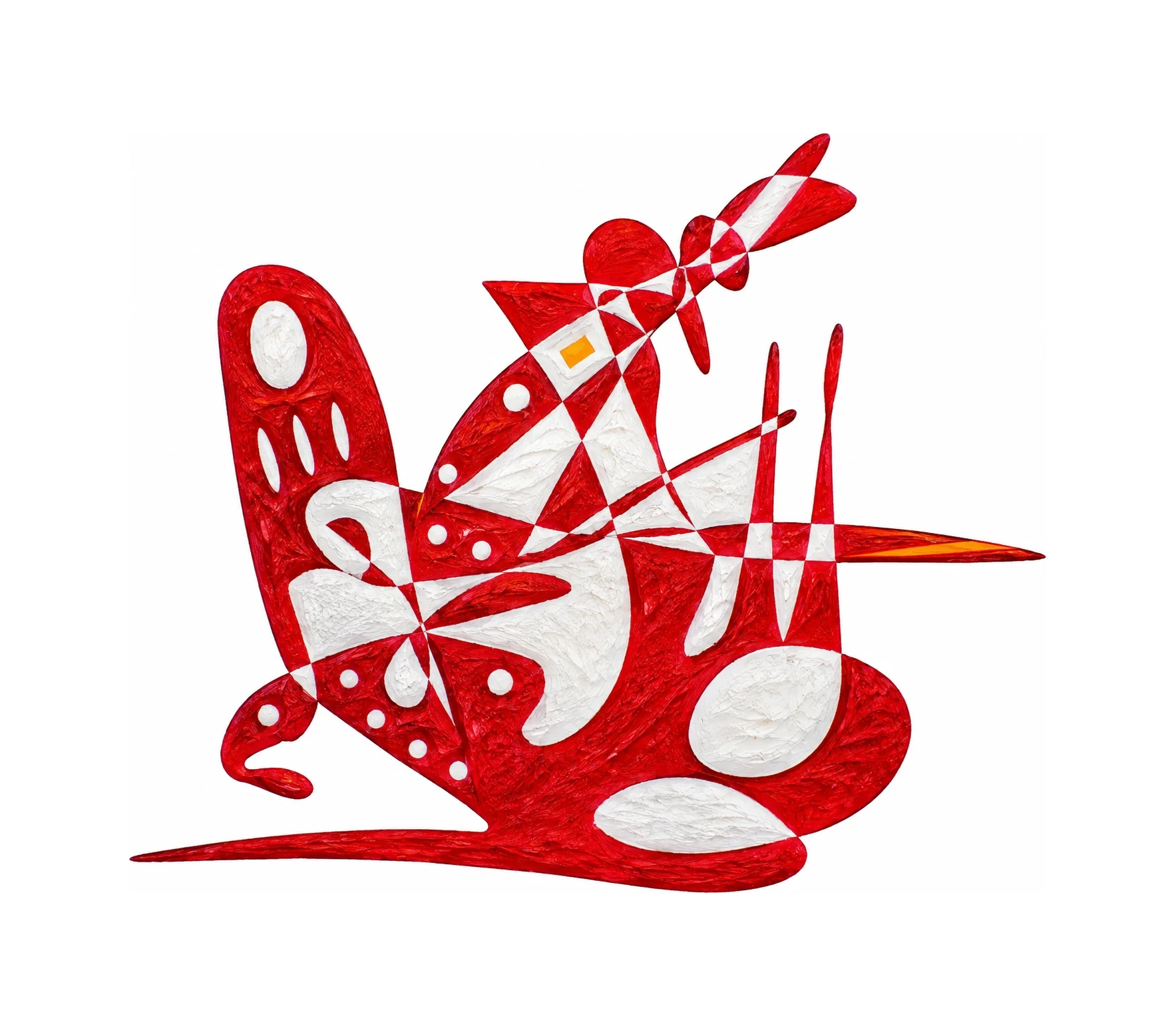
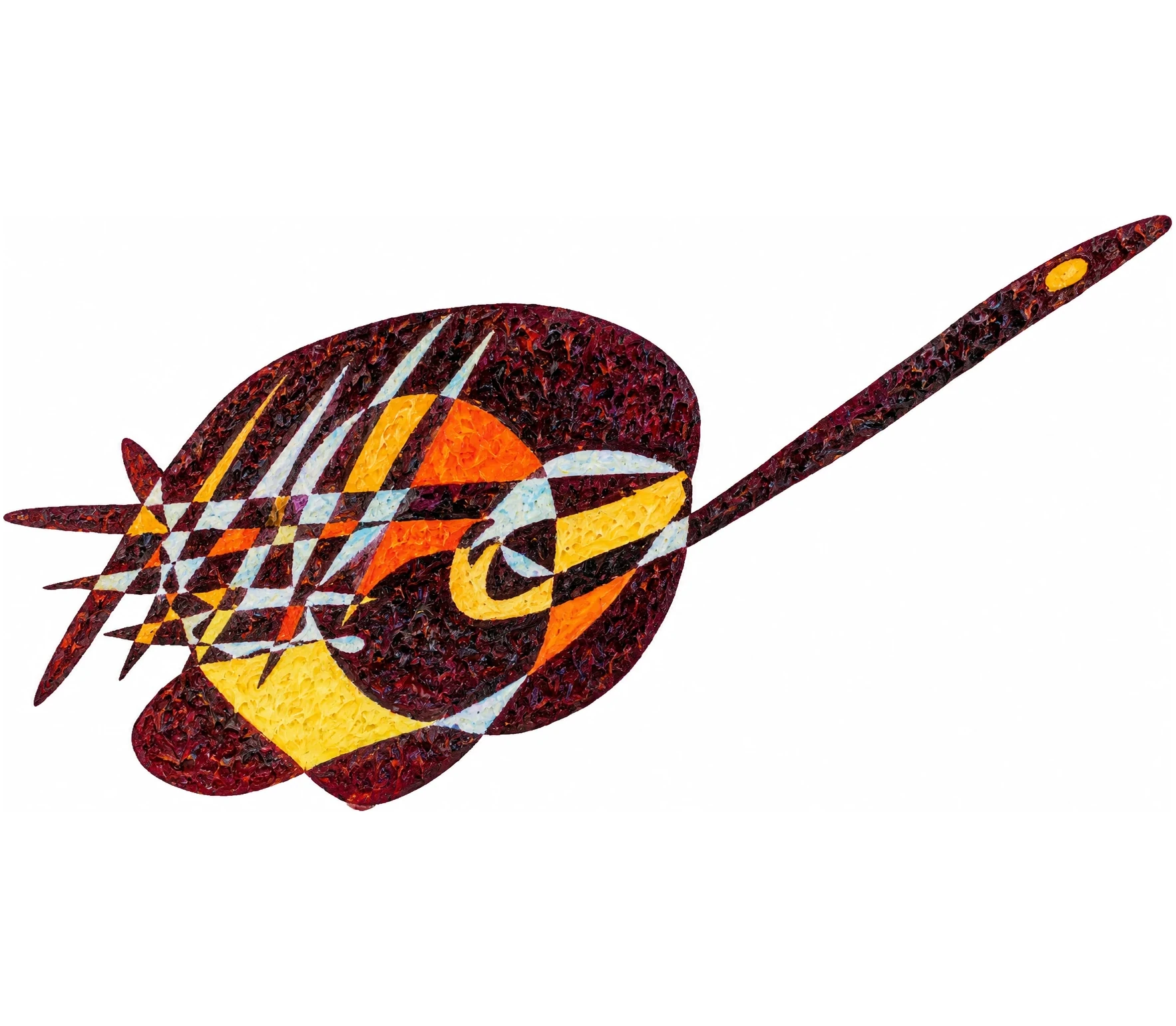
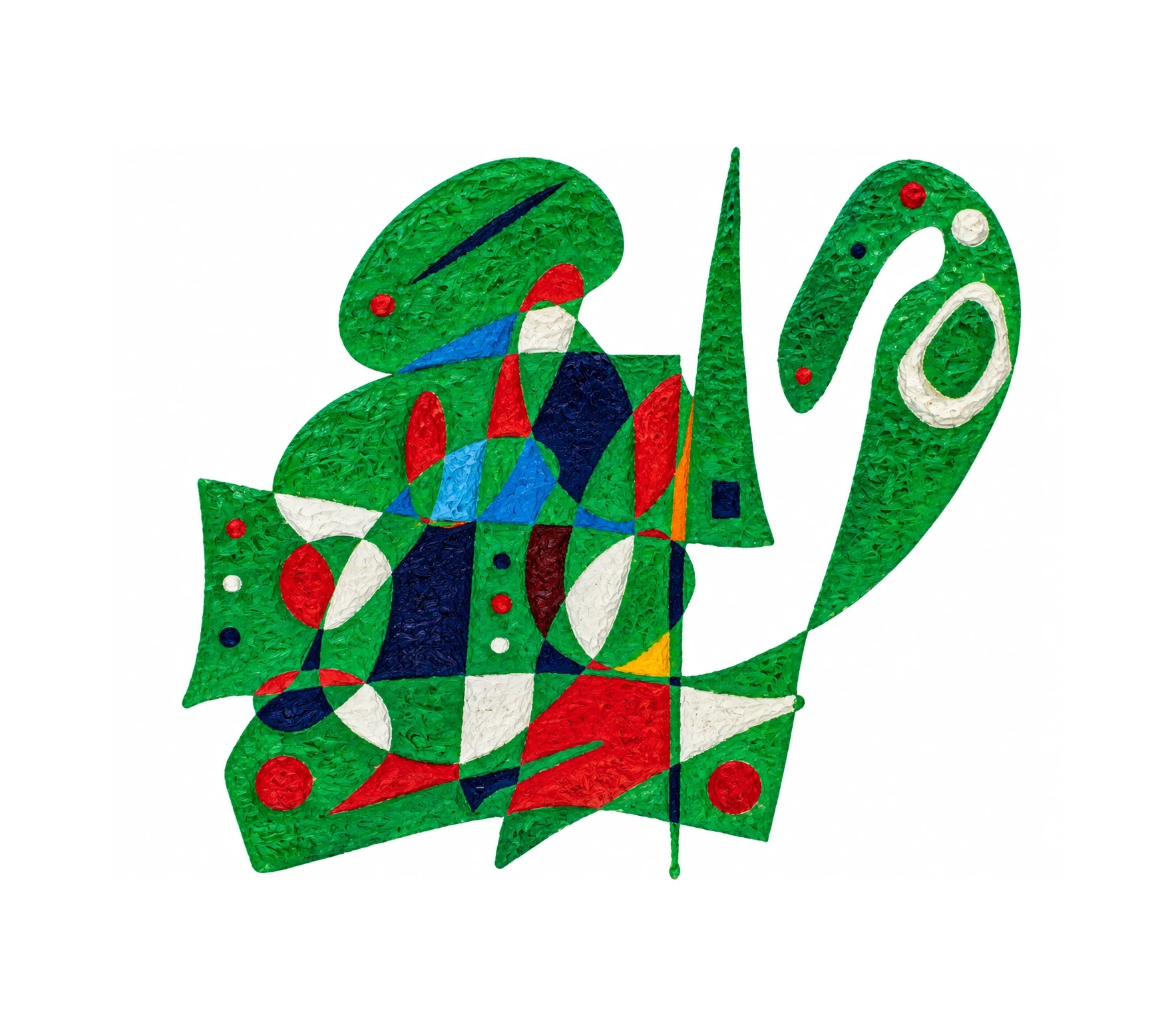
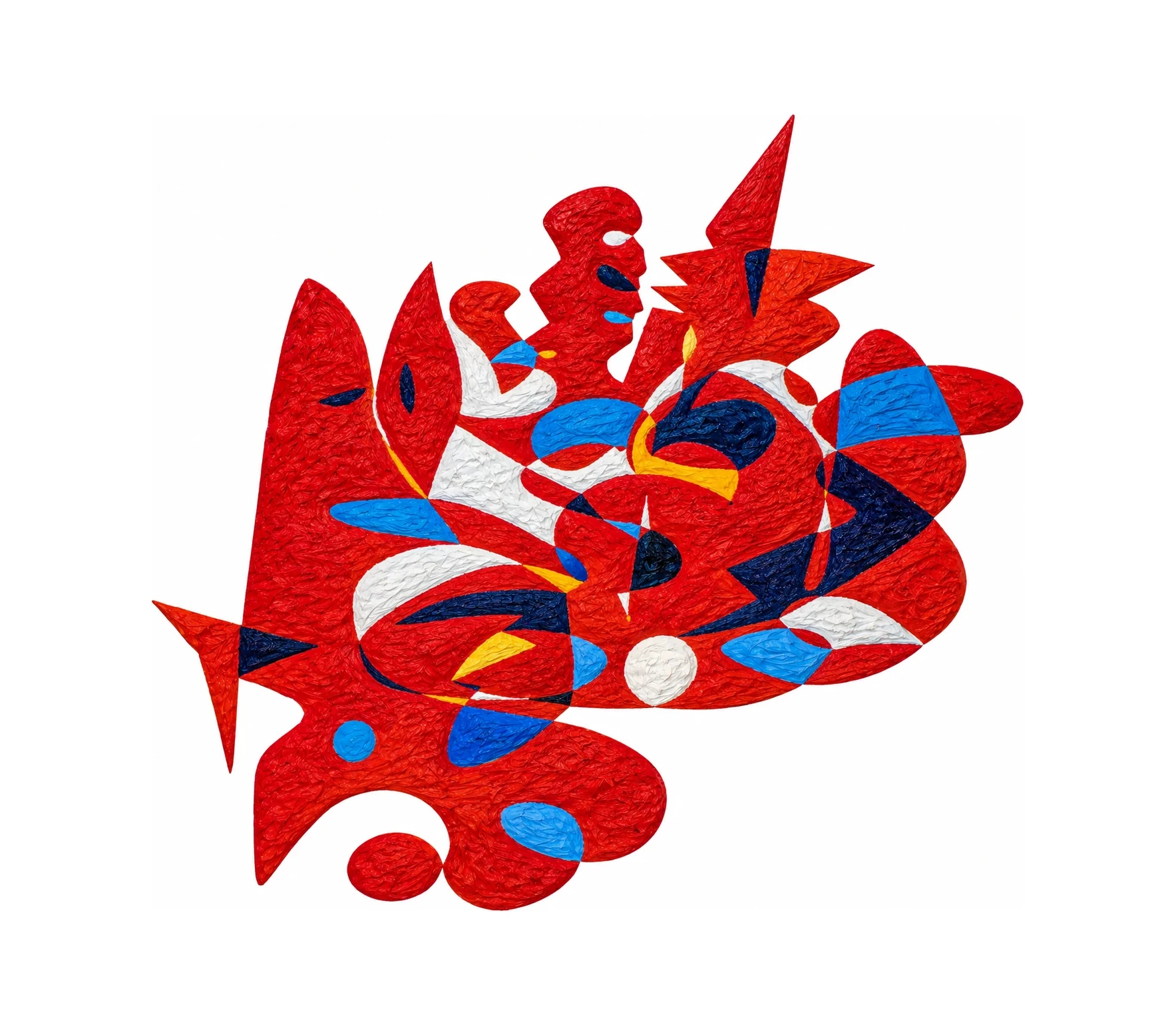
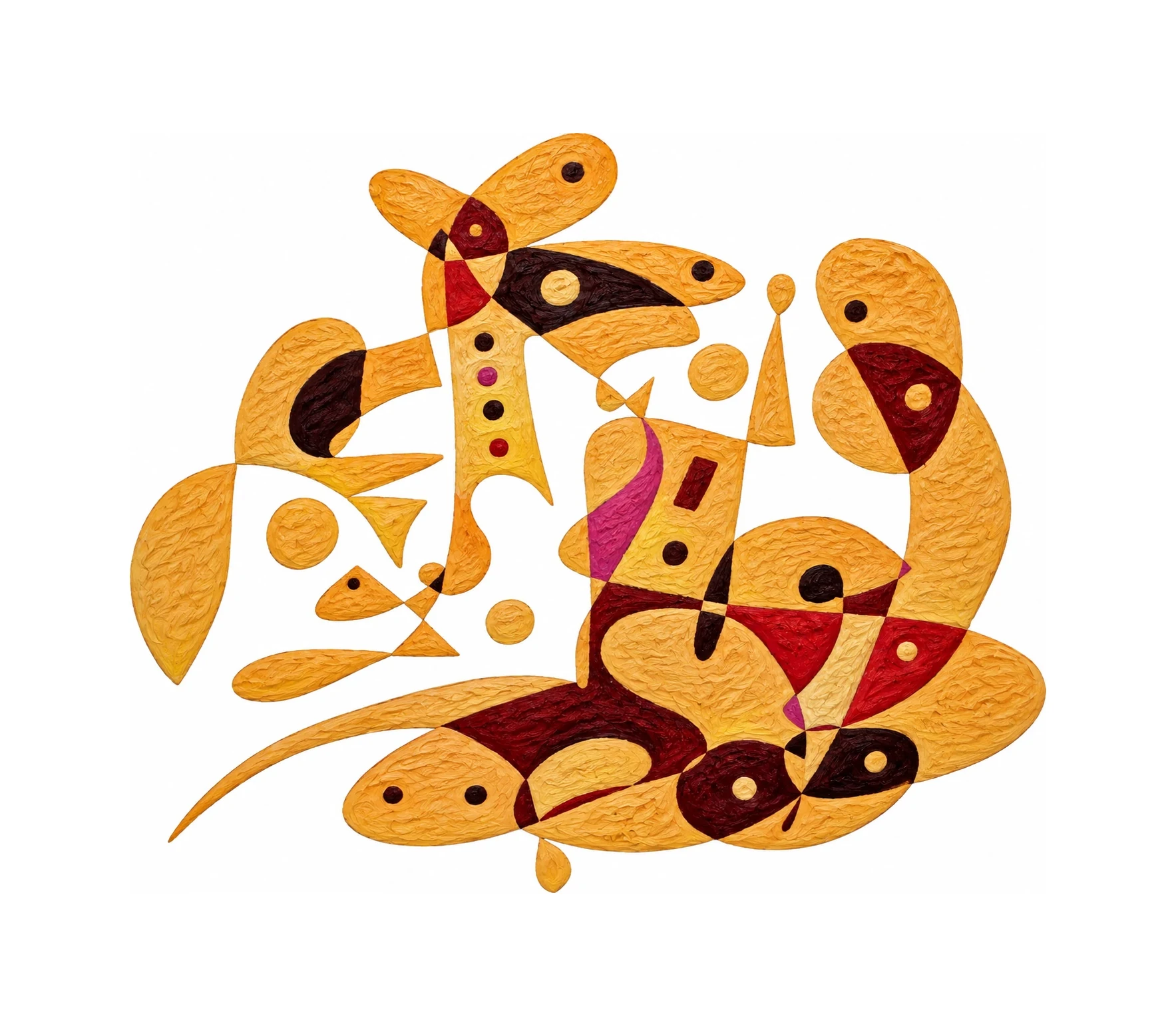
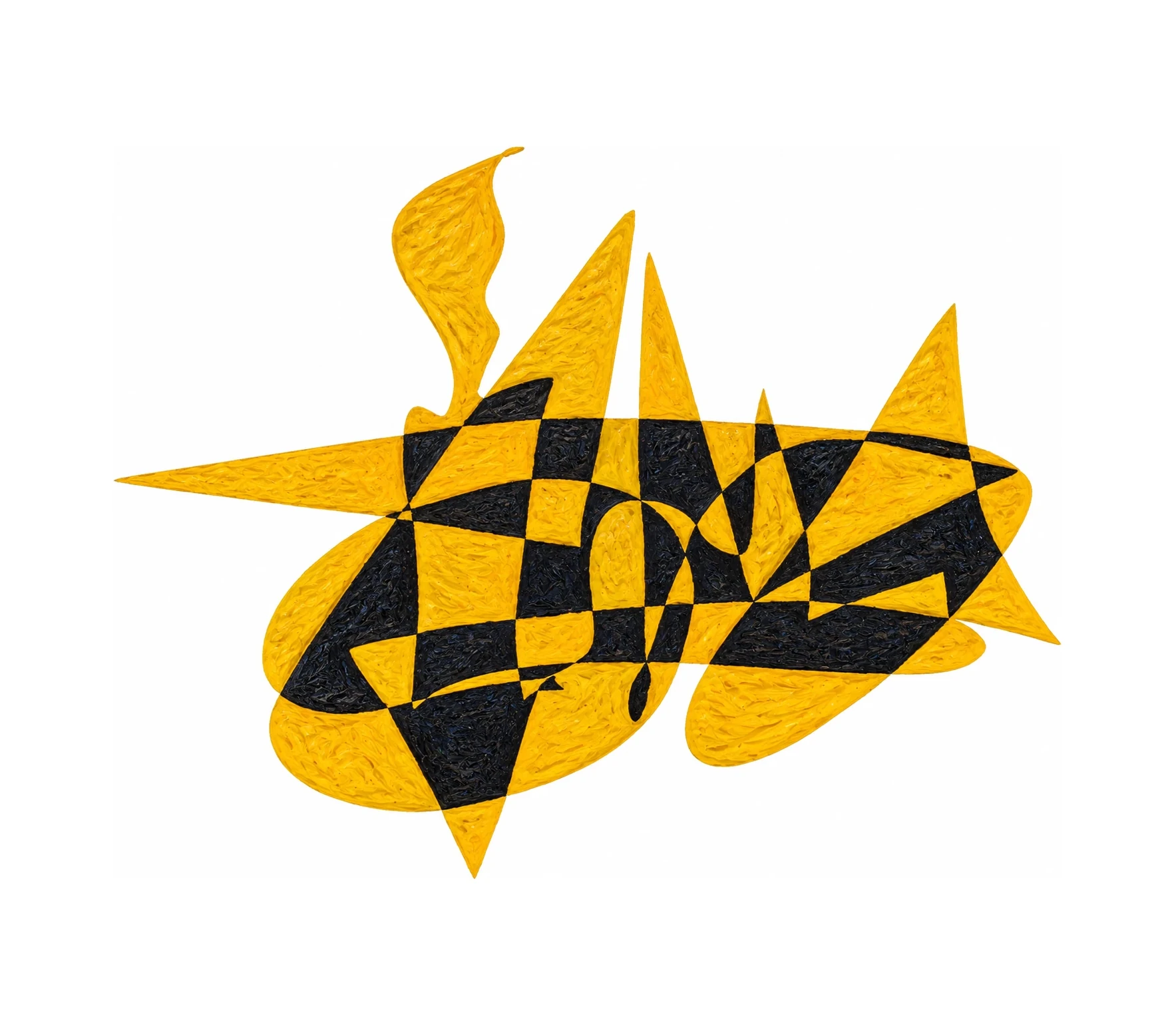
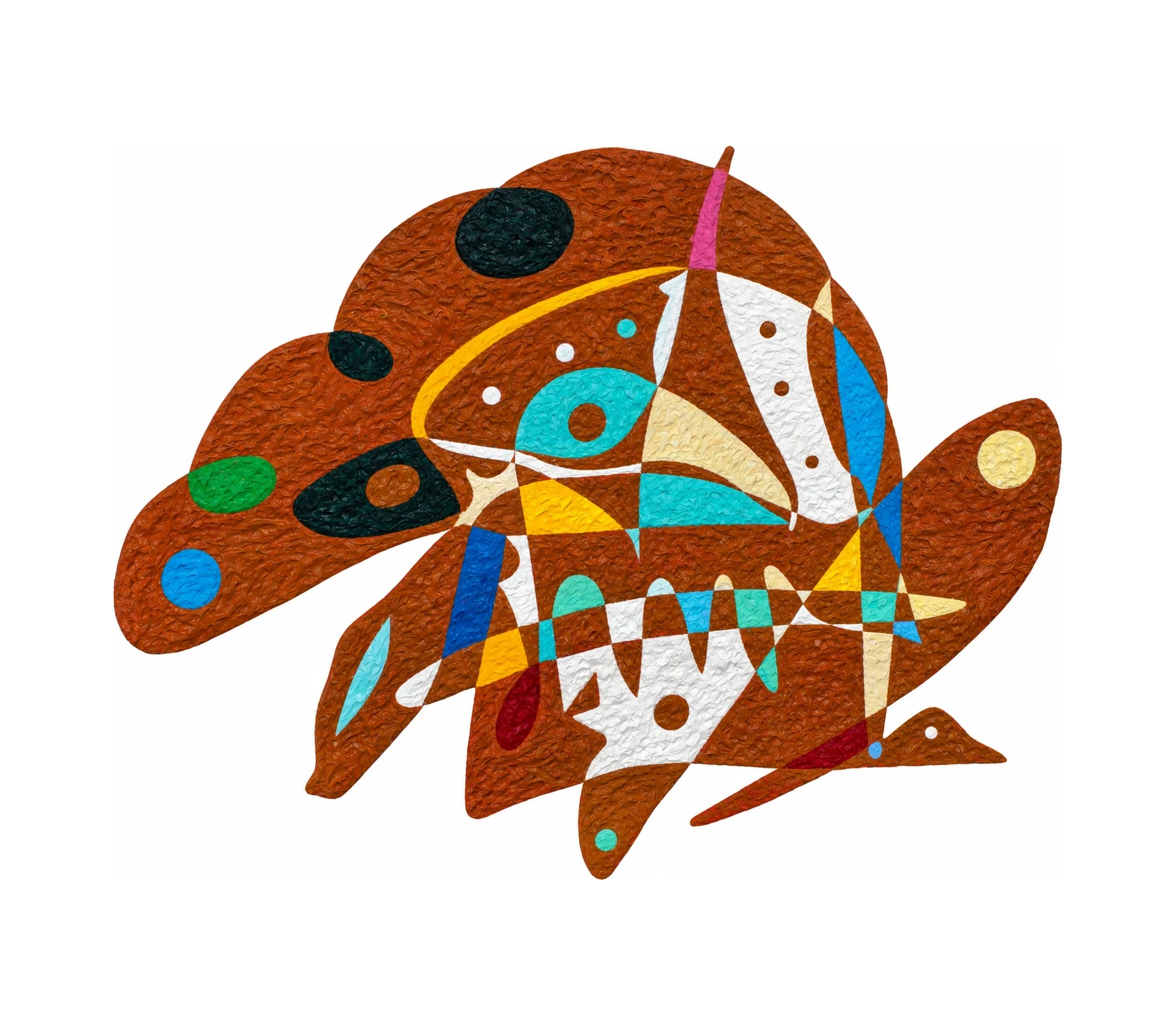
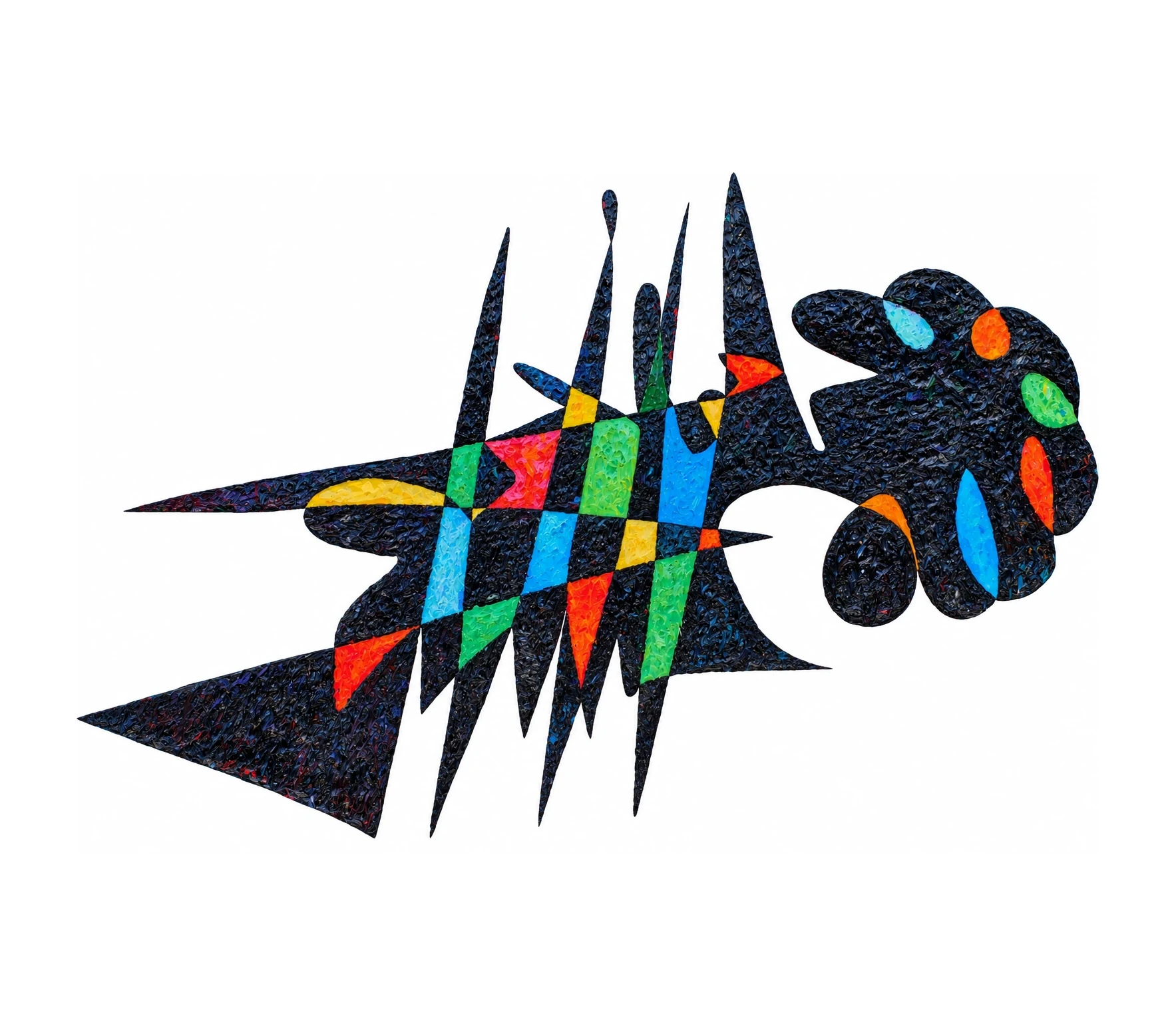
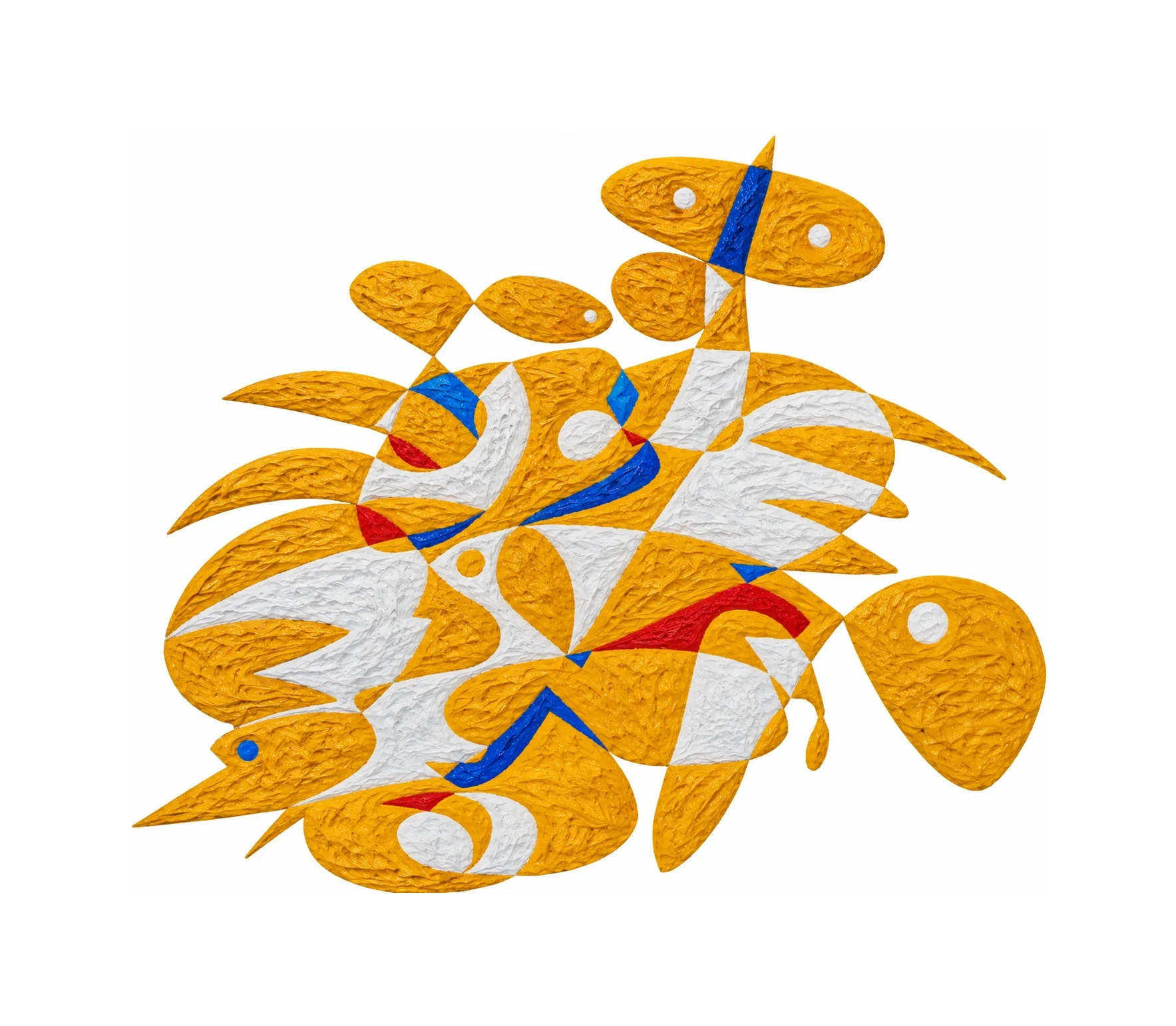
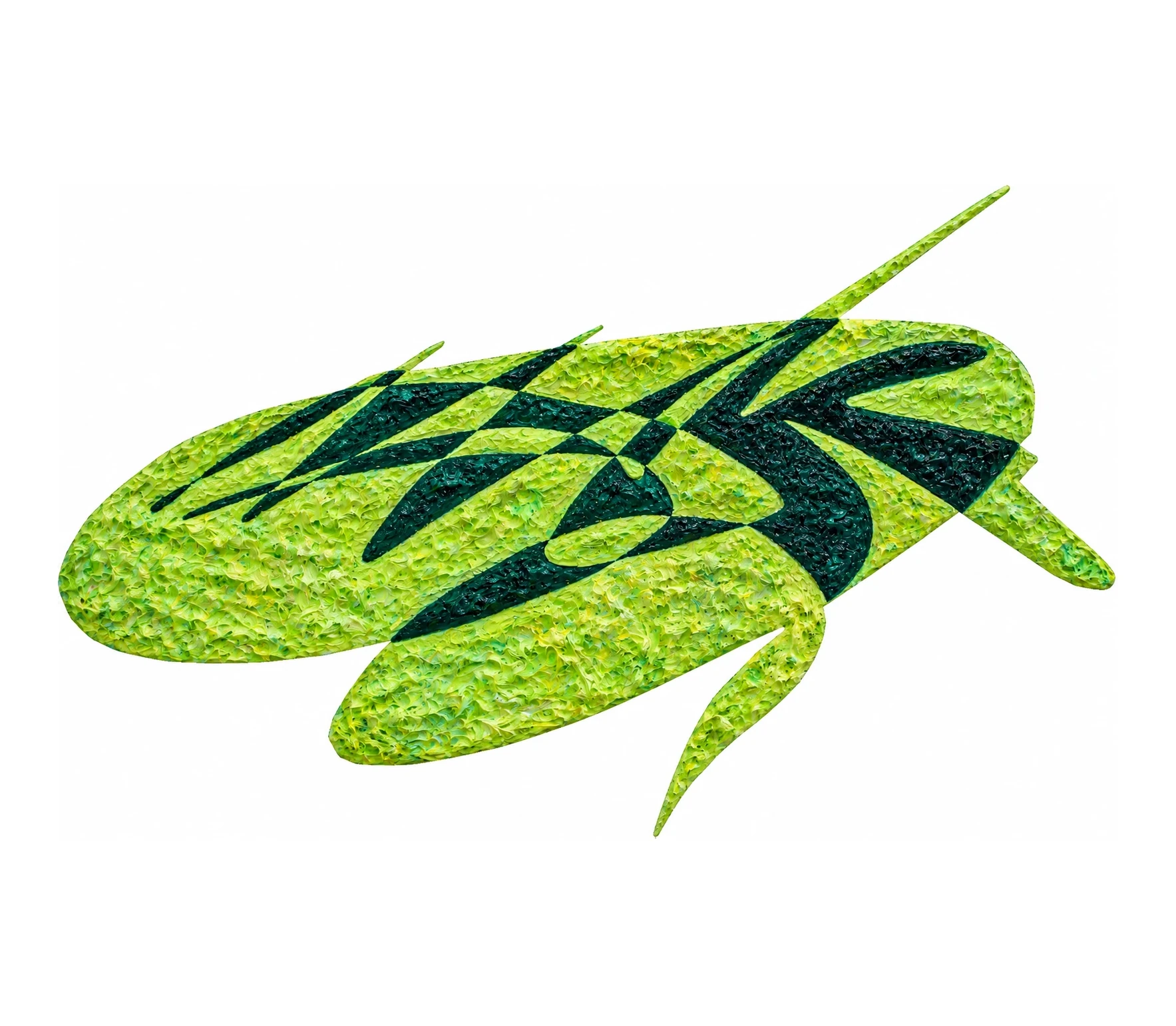
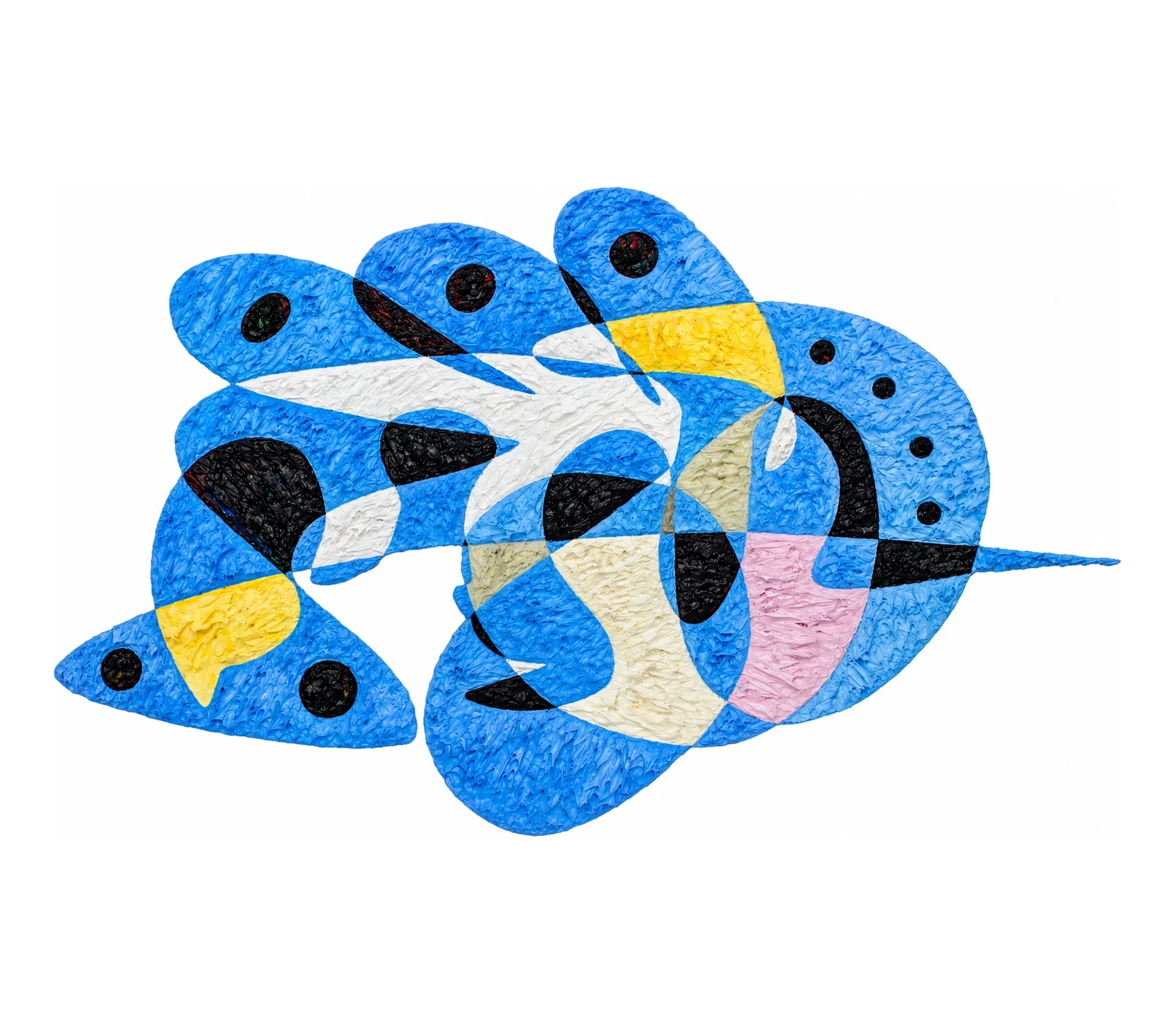
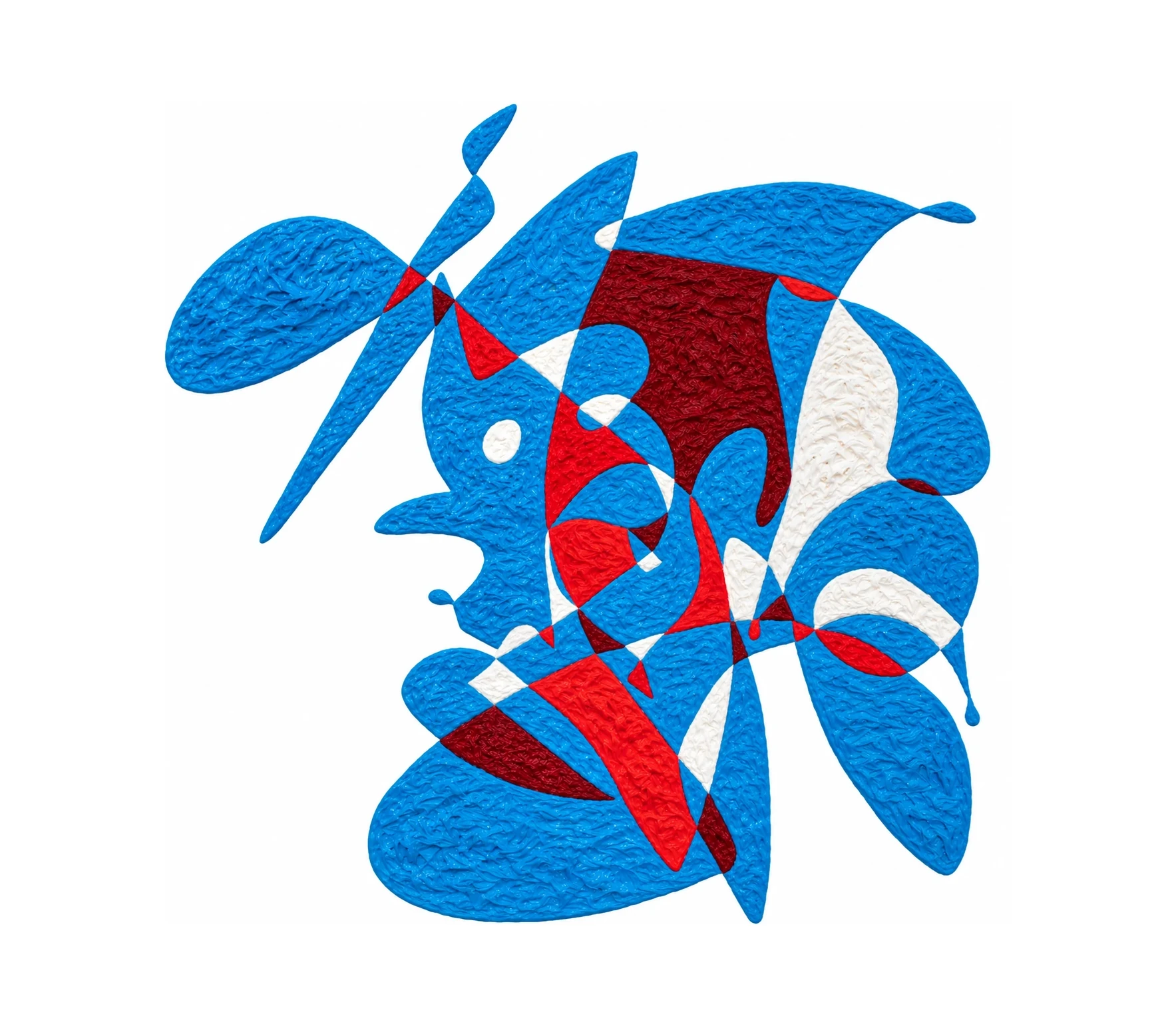
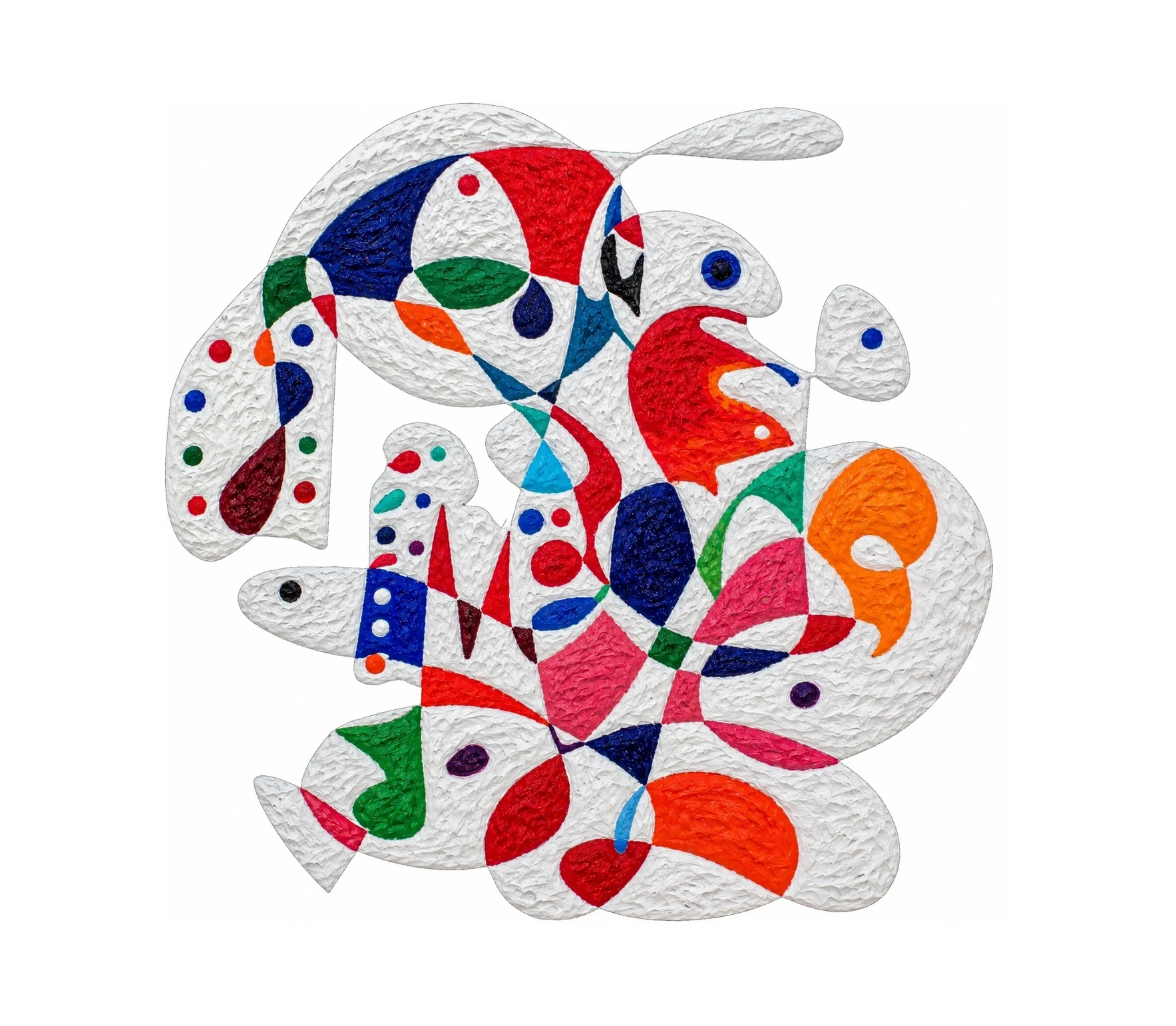
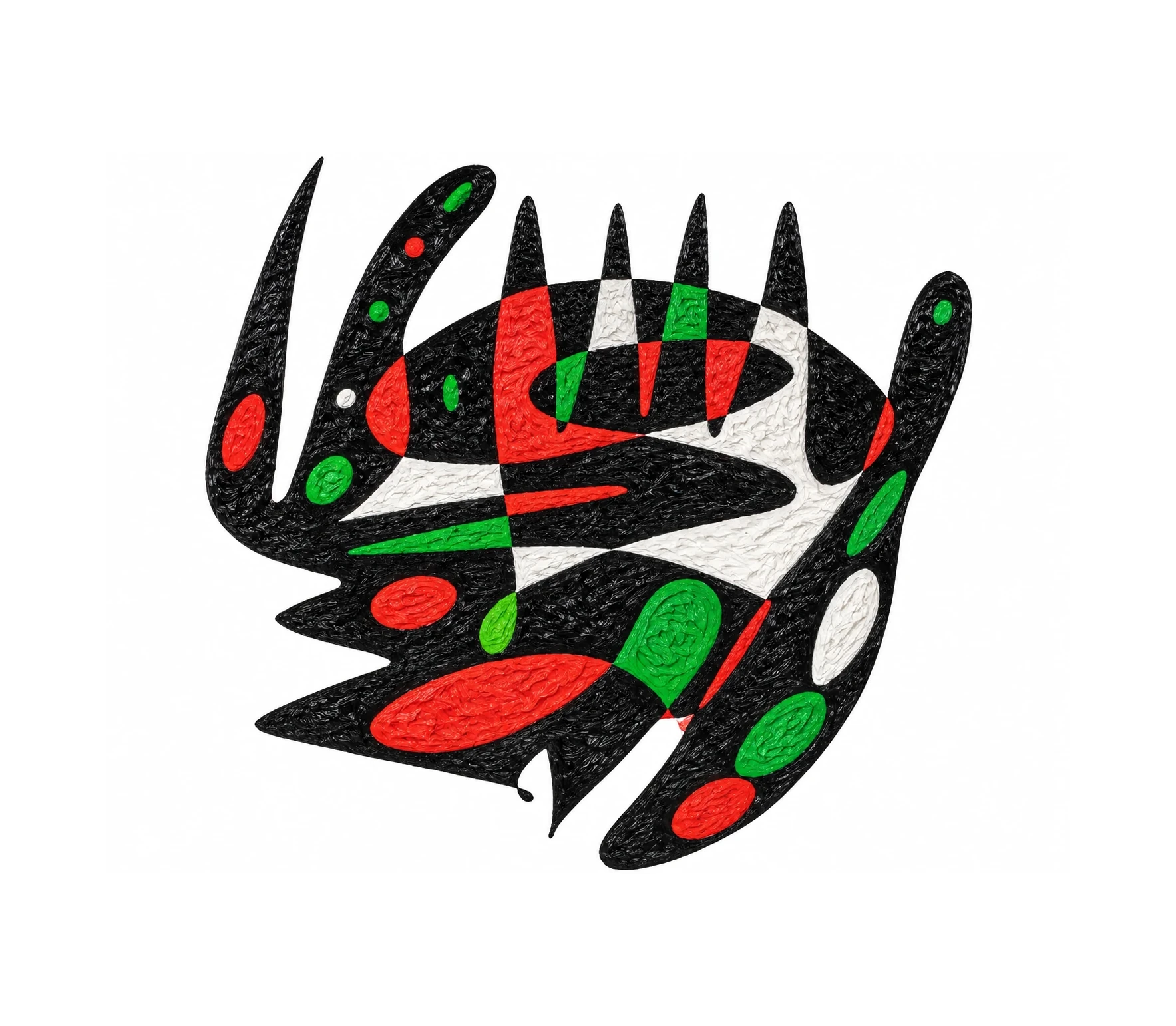
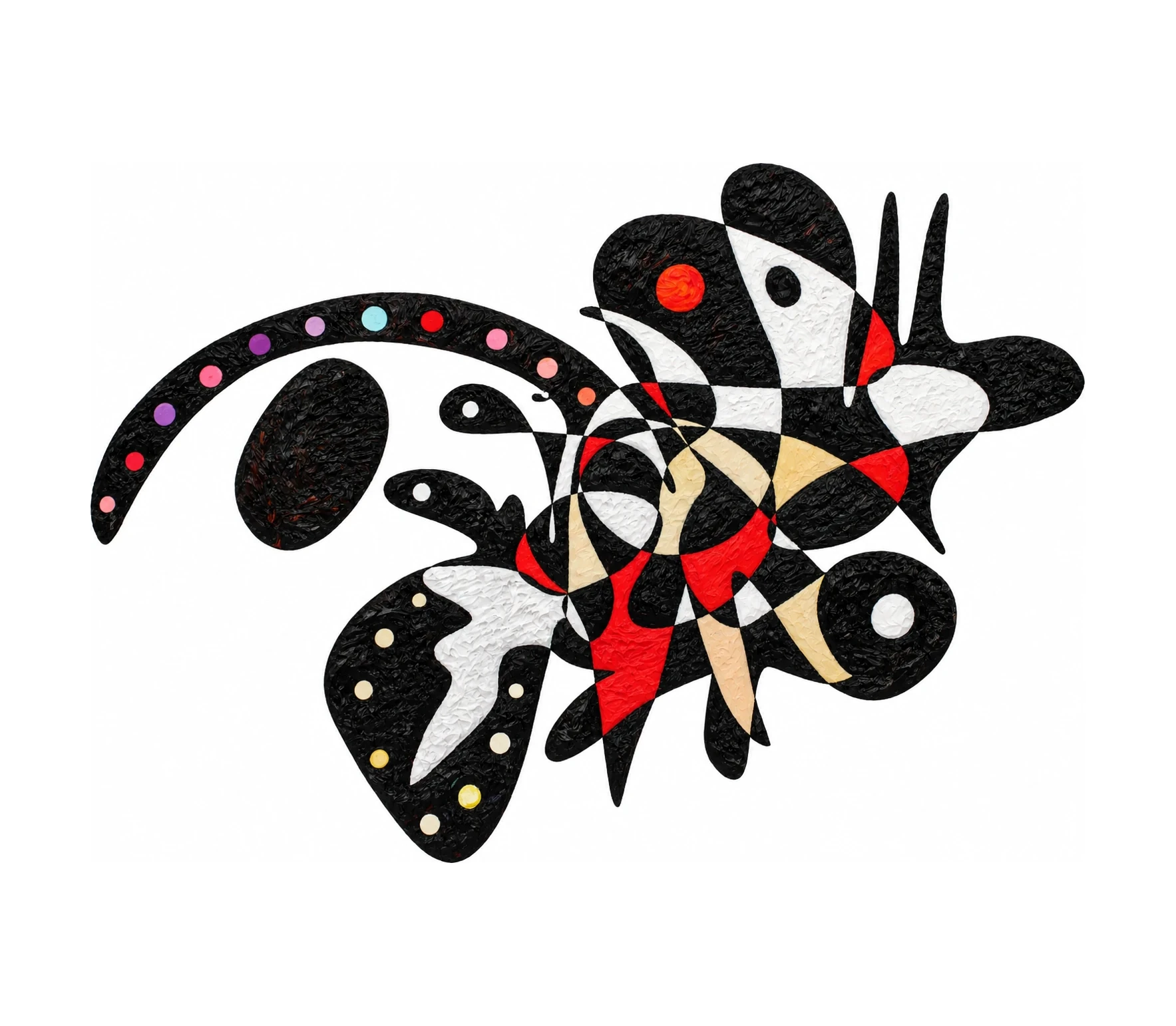
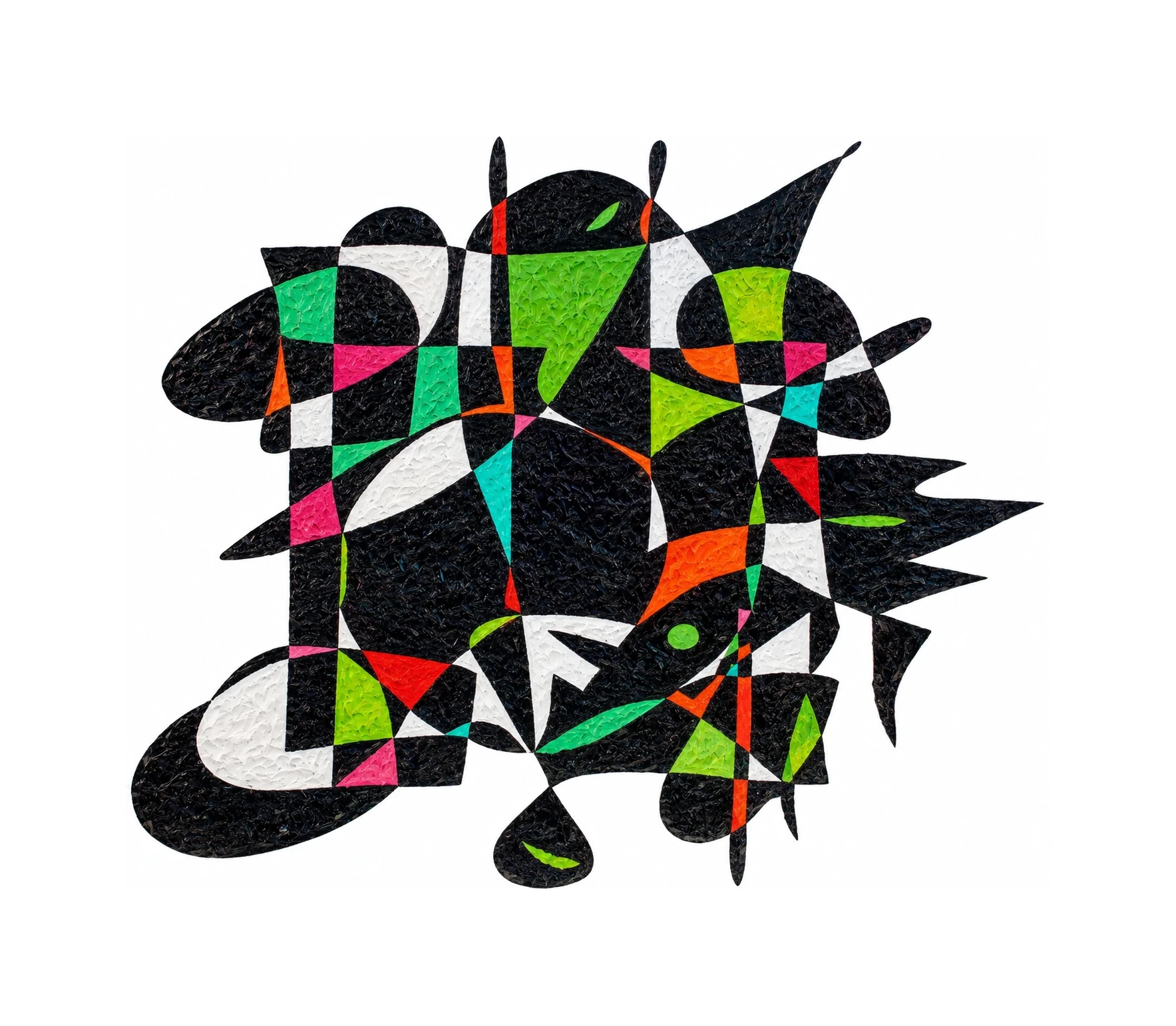
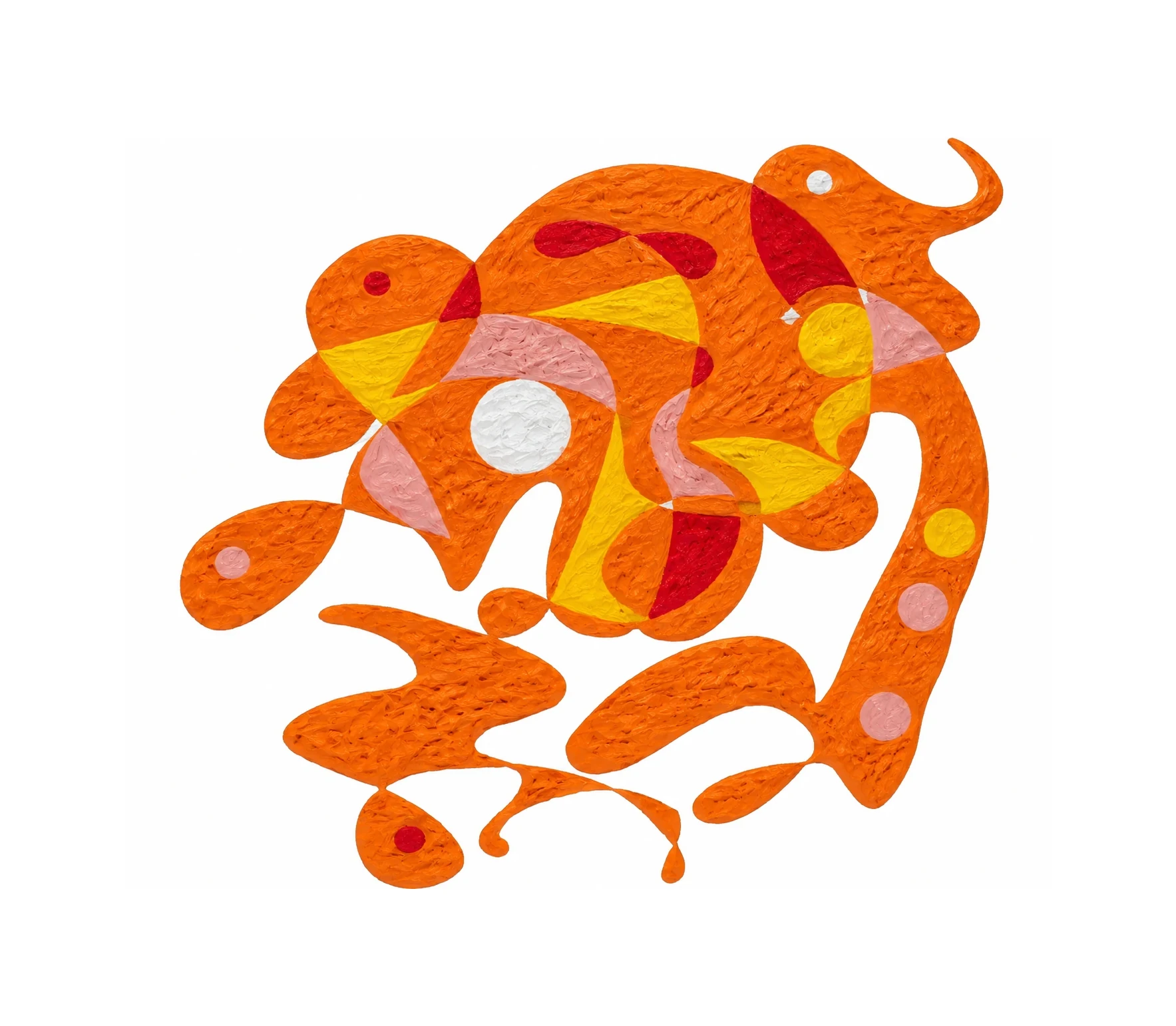
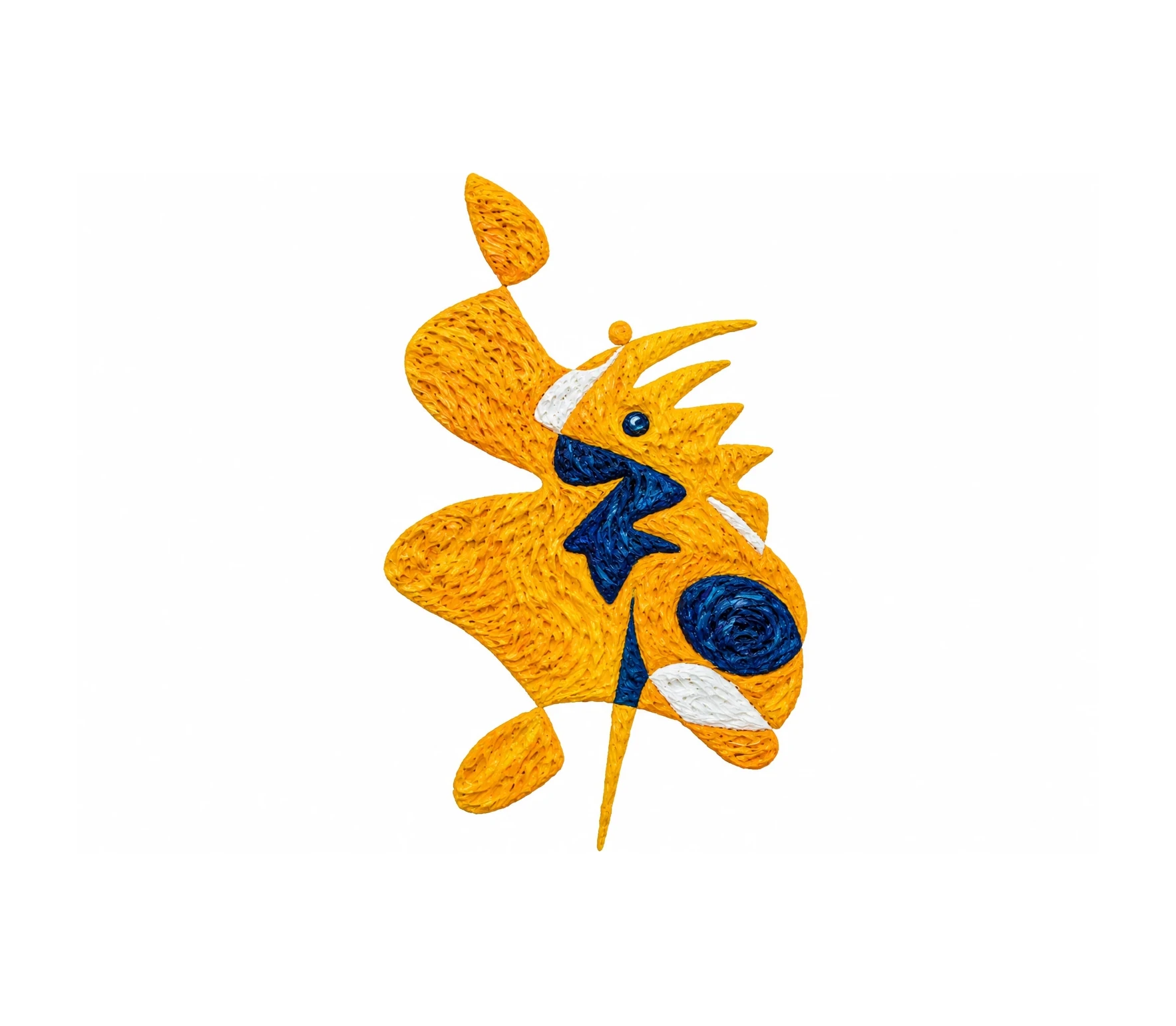
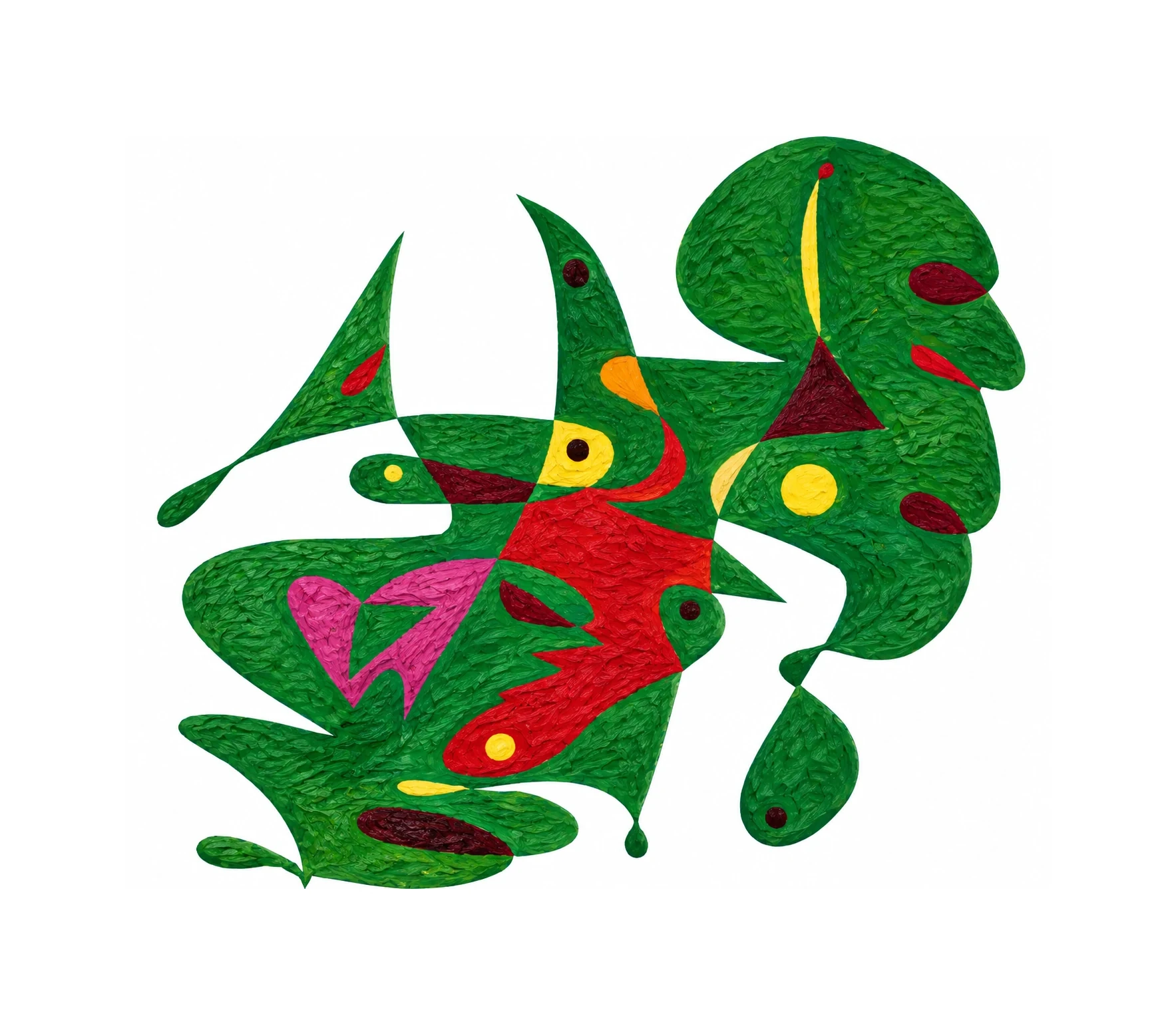
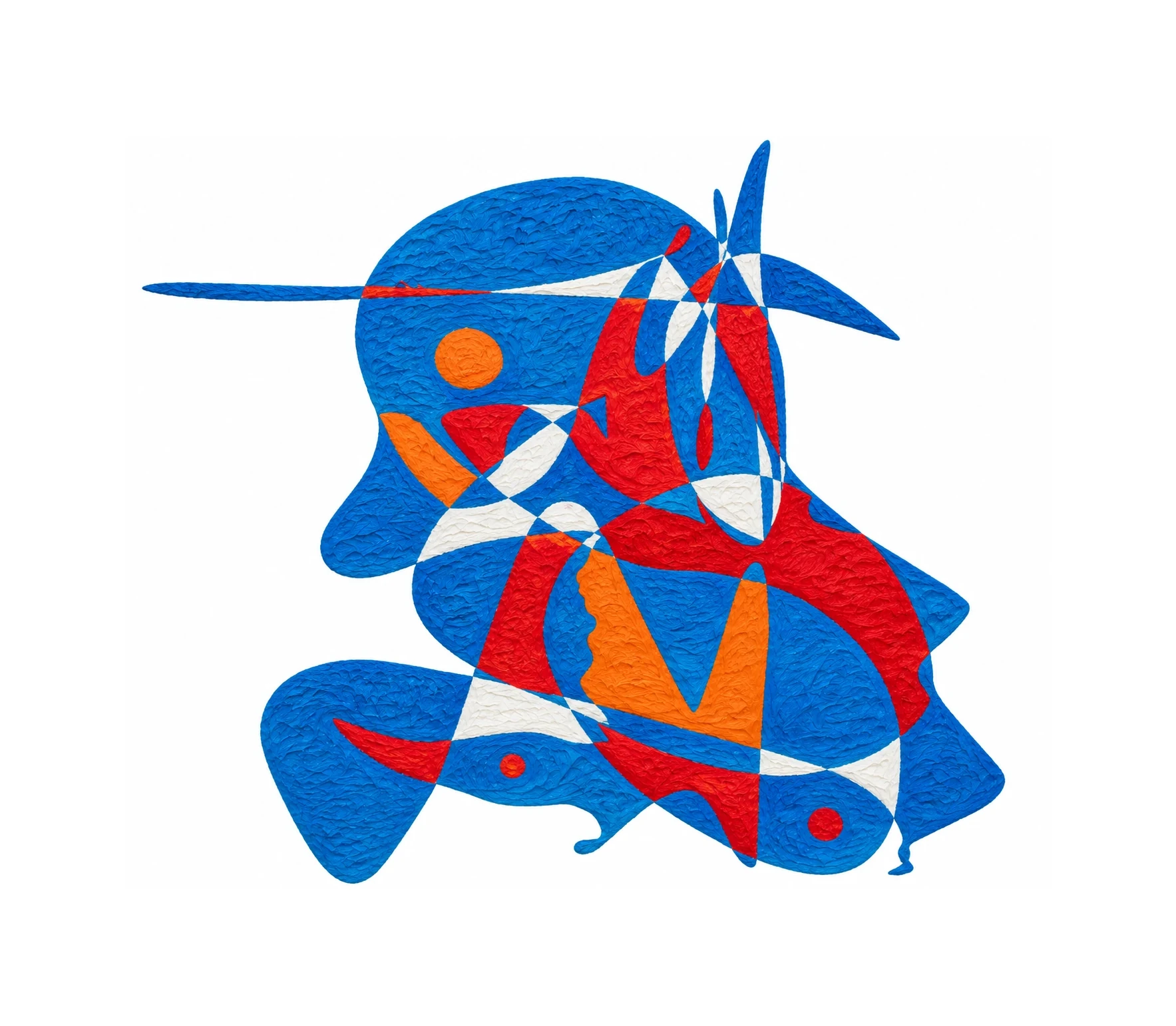
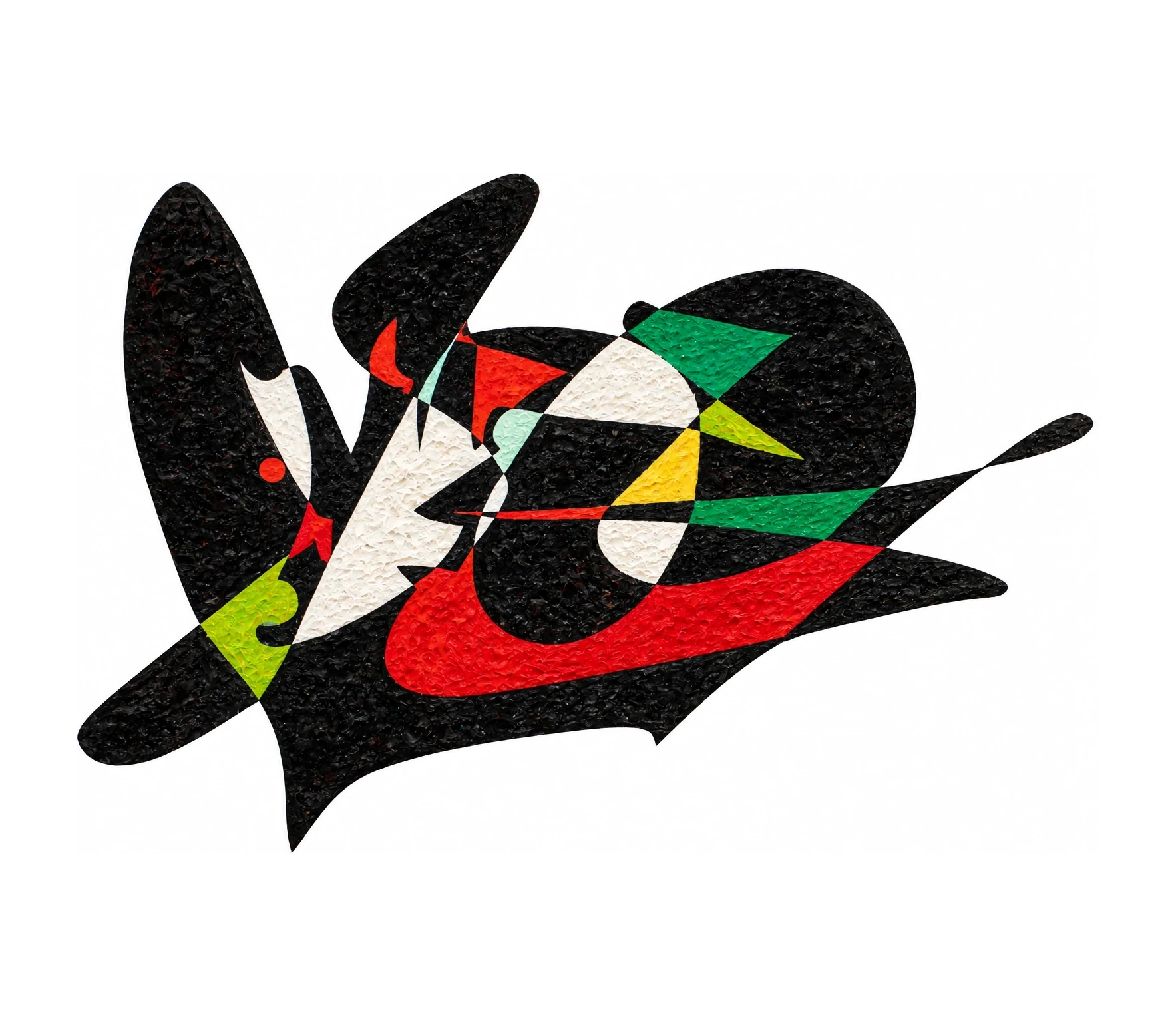
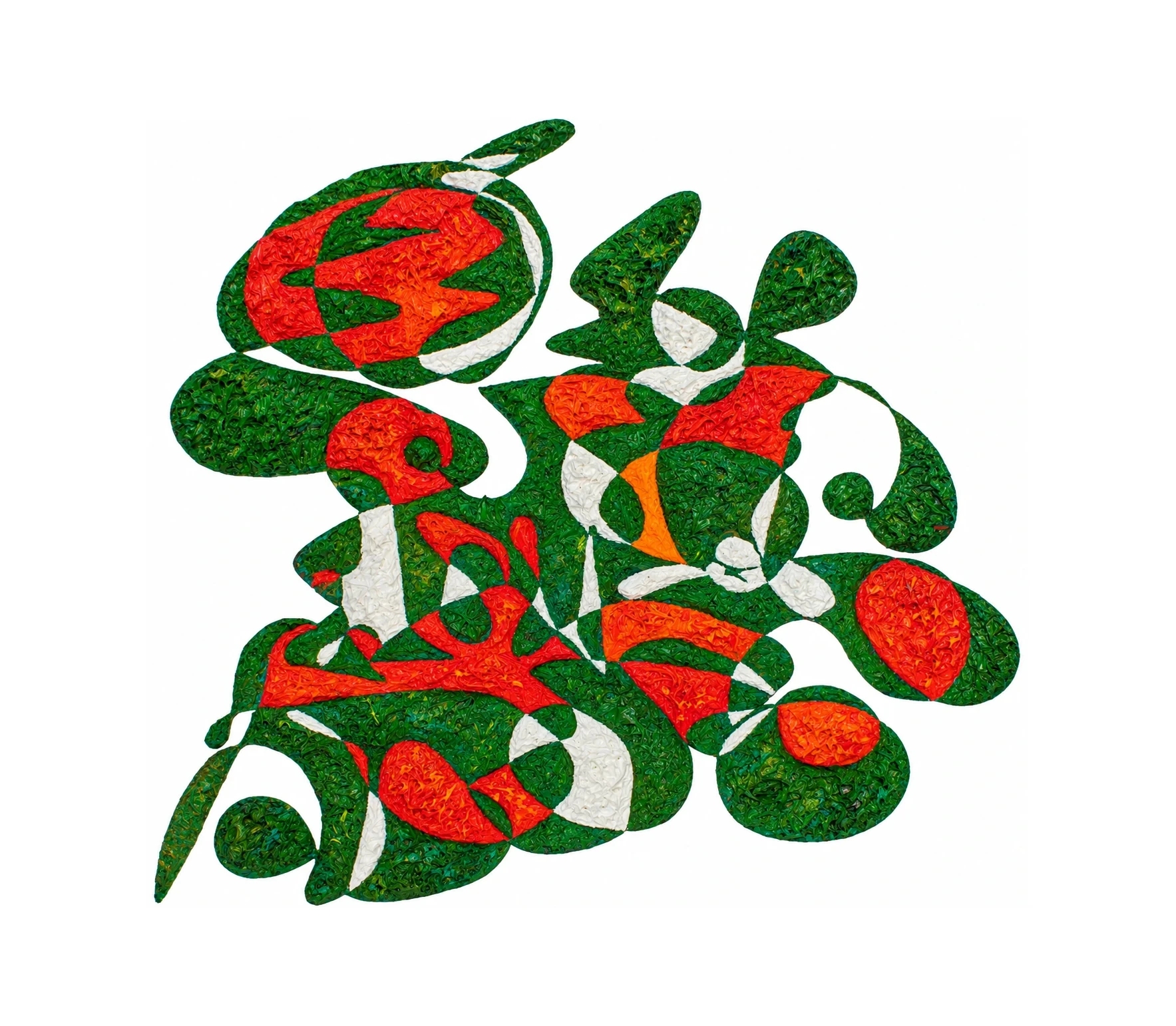
The portraits in this section approach each subject individually. Colour, movement and structure reveal different relationships with territory, recognition, memory, community and political transformation. Their inclusion does not imply legal recognition, political endorsement or equivalence between fundamentally different entities.
Together, they present territory not as a fixed political fact, but as a field in which history, identity and power remain continually negotiated—each subject possessing its own visual presence within Art of the World.
01
Territories and Transnational Identities
Territories and Transnational Identities
47